- Native
- きさらぎ駅
- Type
- Internet Legend
- Region
- Shizuoka
- Origin
- 2004
- Verification
- Internet origin
Disclosure: This article may contain affiliate links. If you click through and make a purchase, World Urban Legend may earn a small commission at no extra cost to you. We only recommend items relevant to the folklore discussed here.
Most ghost stories arrive finished, polished by decades of retelling. Kisaragi Station arrived unfinished, one post at a time, from someone who did not know how her own story would end. On January 8, 2004, a poster using the handle Hasumi sat down at an internet forum and started typing about a train ride home. By the time the thread went quiet, thousands of readers had watched a routine commute turn into something no one could explain.
A Late Train That Wouldn't Stop
Hasumi's account began ordinarily. She boarded a local train around 11:00 PM at Shin-Hamamatsu Station in Shizuoka Prefecture, a ride she said she took often enough to know its rhythm by heart. That night the rhythm broke. The train passed her usual stop without slowing, then the next, then the one after that, running roughly 40 minutes past every station she recognized with no announcement from the crew. She kept posting as it happened, describing each detail to strangers who had no more information than she did. That live, unscripted format is a big part of why the story still lands: nobody involved, including Hasumi, seemed to know where the narrative was headed.
Arrival at a Station That Isn't on Any Map
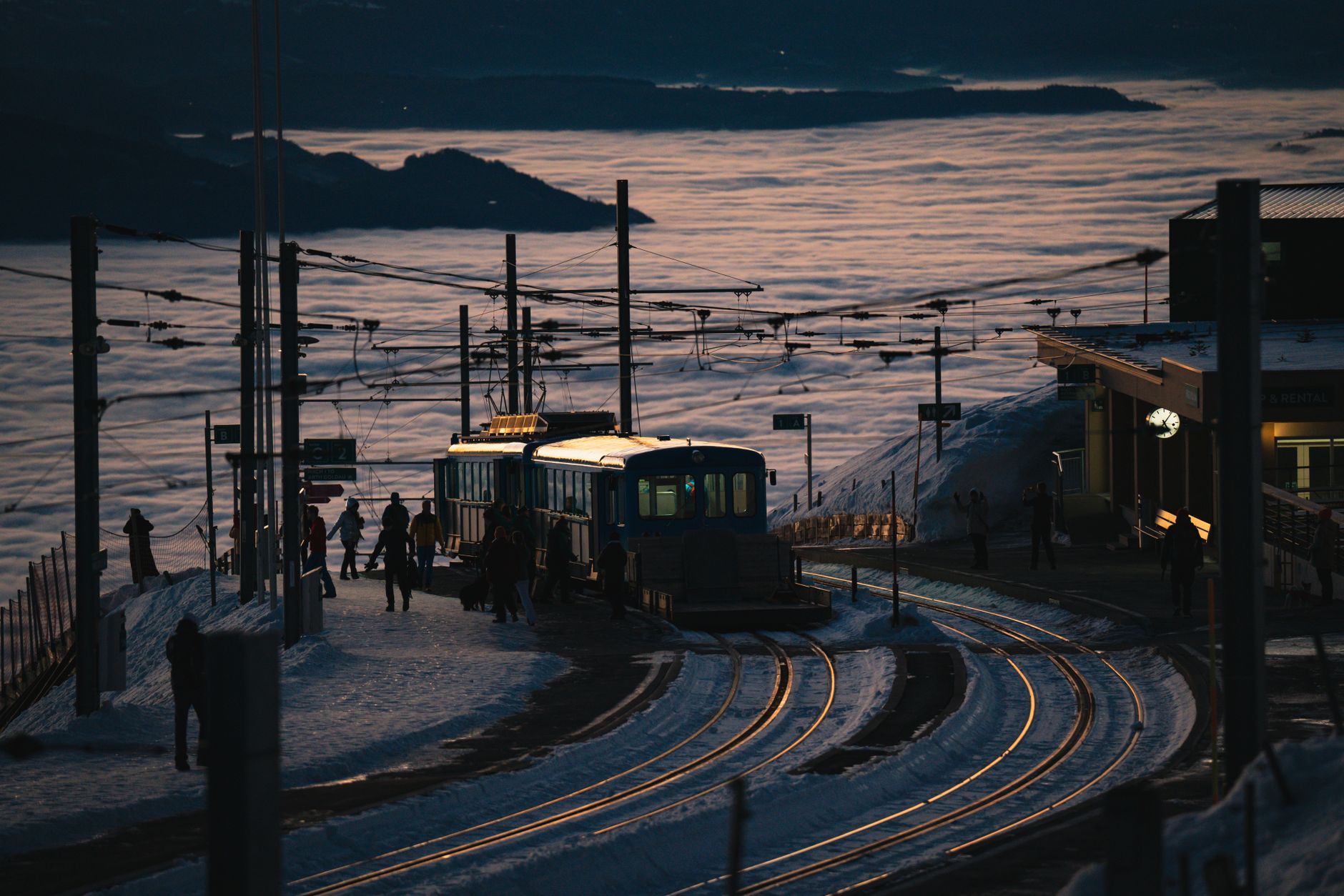
After passing through a tunnel she hadn't noticed before, the train finally stopped. The platform sign read “Kisaragi Station,” a name none of the forum's readers, many familiar with the regional rail lines, had ever heard of. Hasumi described the platform as dim, outdated, and empty, with no staff, no timetable, and a rural stillness that felt wrong for a commuter line.
Other users checked immediately and came back with nothing. Kisaragi Station did not appear on any railway map, timetable, or gazetteer they could find. When Hasumi located a payphone and called her parents for a pickup, they had no way to identify where she was either. The station was not somewhere that could be located from outside.
The Bell, the One-Legged Man, and the Tunnel
The details that follow turned a strange commute into folklore. Hasumi reported hearing a tolling bell and a slow, rising drumbeat near the station, sounds with no obvious source. Deciding to walk rather than wait, she started along the tracks on foot and was stopped by a one-legged man who called out to warn her: don't walk on the track, it's dangerous. Then he was gone.
She ran from him into a tunnel and hurt herself scrambling through it in the dark. On the other side, a stranger offered to help, and the two boarded another train heading toward the mountains rather than home. Her updates got shorter and more anxious, describing the man beside her muttering something she couldn't parse, then going silent. Her last message said her phone battery was dying and that she intended to run. After that, nothing.
Why the Story Never Resolved
No confirmed final post from Hasumi ever surfaced. Some later threads claim a poster using her name resurfaced years afterward describing an escape, but these accounts are inconsistent and impossible to verify, exactly the loose end that keeps a legend circulating instead of closing it out. Readers offered real-time advice, telling her to flag down a conductor or call emergency services, but there is no way to confirm what she tried. That unresolved ending is the engine of the legend: a clean conclusion gets filed away, while a story that stops mid-sentence keeps getting picked back up.
Fiction or First-Hand Account?
Researchers and longtime message board users generally treat the thread as fiction rather than a literal event, and Japanese readers largely agree: it's one of the strongest examples of 2channel's “real-time horror” genre, where a story is told as it supposedly happens. There is no station named Kisaragi on any Japanese rail network, and no missing-persons record tied to the account.
What makes the story effective isn't a monster or a corpse. It's the way it treats ordinary infrastructure, a late train, a dying phone battery, a tunnel you don't remember, as the thing that turns against you. If you want a physical way to sit with that unease, a field-recording style ambient soundtrack of empty train platforms and distant announcements is an easy way to put the mood in your own room. Learn More
From Forum Thread to Real Railway
The legend's afterlife has been unusually concrete for an internet ghost story. Fans spent years trying to match the fictional station to a real one, and Saginomiya Station on the Enshu Railway, not far from where Hasumi began her ride, became the leading candidate, despite details that don't line up cleanly with her account. When the story went viral again years later, riders began asking Enshu Railway staff about it directly, and the railway leaned in: Saginomiya Station was temporarily renamed to Kisaragi Station, and the company sold replica tickets that reportedly sold out within an hour. A live-action film adaptation released in 2022 turned the legend into a minor cultural event around Hamamatsu, drawing visitors who wanted to stand on the platform the story was rumored to be based on.
Frequently Asked Questions
Is Kisaragi Station a real train station in Japan?
No. Searches by readers and researchers have found no station by that name on any current or historical Japanese rail line. The name exists only within the 2channel thread and its retellings.
Who was Hasumi, and what happened to her?
Hasumi is the handle used by the original poster; her real identity was never confirmed. Her final posts described a dying phone battery and an intent to flee, and no verified follow-up ever surfaced, so the story is treated as unresolved rather than concluded.
Is the story based on a real disappearance?
There is no missing-persons case connected to the account and no evidence outside the thread itself that the events occurred. Most researchers classify it as internet fiction written in a real-time, first-person format.
Why did Enshu Railway rename a real station to Kisaragi Station?
After the legend went viral again, riders began asking staff about the fictional station by name. Enshu Railway responded by temporarily renaming Saginomiya Station, the real stop suspected as loose inspiration, and selling limited replica tickets, capitalizing on renewed interest rather than confirming any factual connection.


Comments