- Native
- කළු කුමාරයා
- Type
- Incubus / Disciplinary Demon
- Region
- Udugampola, Gampaha District
- Coords
- 7.13006° N, 79.98433° E
- Verification
- Partially documented
Villagers near Udugampola, Sri Lanka, still point to a stone-lined pond called Pathaha Pokuna and lower their voices. Kalu Kumaraya (කළු කුමාරයා), “the Black Prince,” is Sri Lanka's version of an incubus: a handsome, dark-skinned ghost-prince who is said to visit women in their sleep, and the pond is where locals say the story began. The pool itself is real and protected by the government. What happened to the prince who supposedly haunts it is folklore layered on top of that history, and the two should not be confused.
What's Actually Verifiable
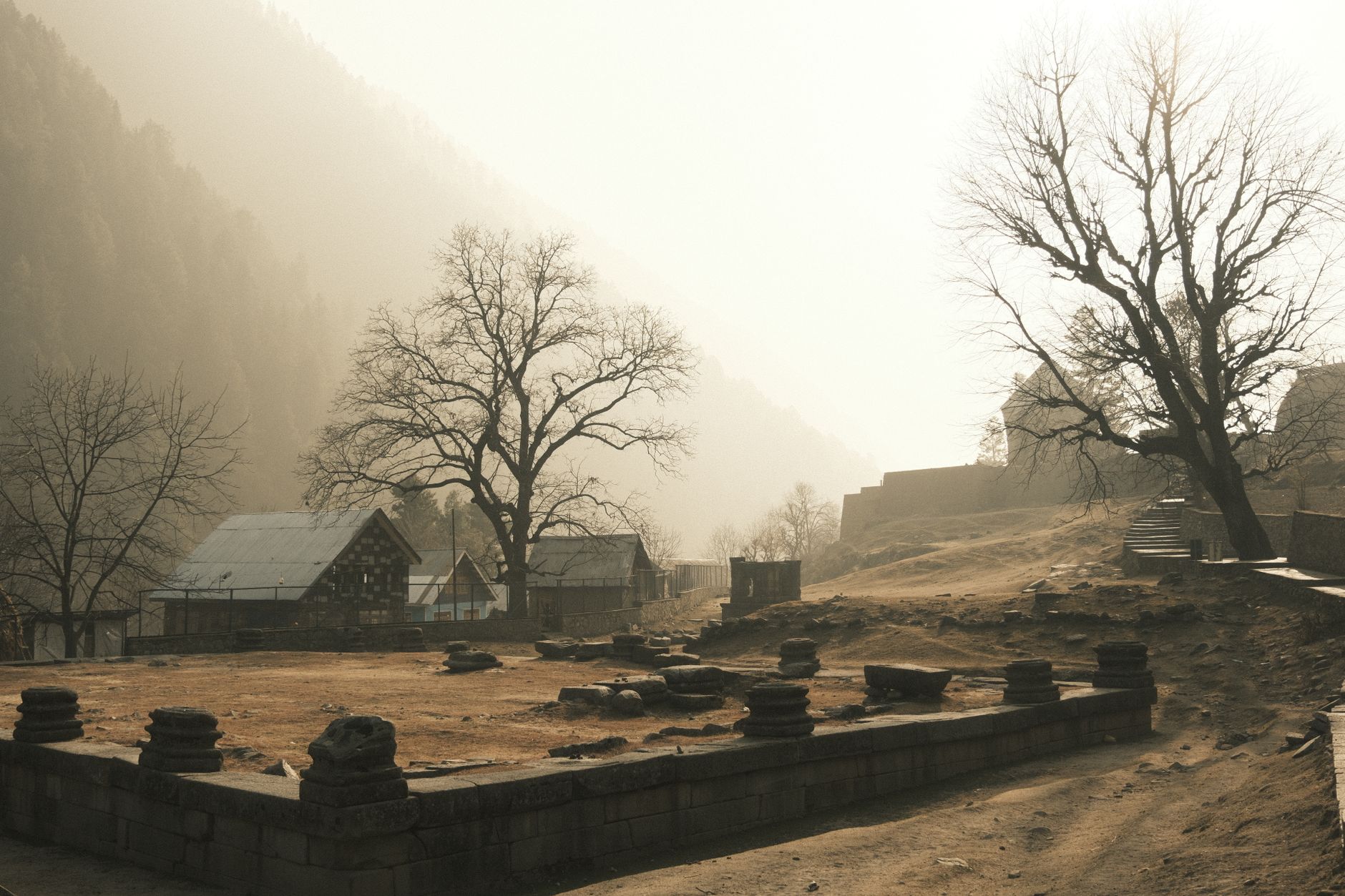
Pathaha Pokuna sits in Udugampola, in Sri Lanka's Gampaha District, at roughly 7°07'48.2"N 79°59'03.6"E. It is an L-shaped bathing tank of about 25,805 square feet, built from laterite blocks along its southern and eastern banks, and Sri Lanka's Department of Archaeology designated it a protected monument on July 8, 2005. During the Kotte period, Udugampola functioned as a sub-kingdom, and archaeological and historical accounts describe King Sakalakala Wallabha — one of three sons of Parakramabahu VIII — governing the area as viceroy while a brother ruled from Kotte. The pond's construction and scale match its documented use as a royal bathing pool.
The demon's name has also reached film. Gharasarapa, released in Sri Lankan cinemas on August 10, 2018, cast veteran actor Jackson Anthony as Kalu Kumara, portraying him as a possessing spirit who reunites with a woman he loved across a 37-year gap — the folklore incubus reworked into a supernatural romance. That the film exists, when it opened, and who played the role are matters of public record. What the film's writers imagined about the character's inner life is not.
The Legend
According to local tradition, two of the king's seven sons — Kalu Kumara Bandara and a brother named Veeramunda — plotted to kill their father. Their method, as the story is told, was to plant sharpened stakes tipped with metal underwater at Pathaha Pokuna, hidden just beneath the surface where the king bathed. The plan failed only because the king noticed insects landing strangely on the water and grew suspicious enough to have the pool checked before he stepped in. The traps were found, the plot was exposed, and both sons were executed for treason.
Kalu Kumara Bandara, in the version most often repeated, escaped before his sentence could be carried out and fled toward Sri Pada, the mountain known in English as Adam's Peak. He never made it back. Cornered, or simply unable to live with what he'd done, he threw himself from a cliff. Local belief holds that a soul lost to suicide after such a betrayal doesn't rest — it comes back changed, angrier, hungrier for something it can no longer have. That is how the story explains his transformation into Kalu Kumaraya, no longer a prince but a demon bound to prey on the living.
What the demon does next varies by teller, which is itself a signal that these details were shaped by retelling rather than preserved from a single source. In most versions, Kalu Kumaraya targets young women, appearing to them in dreams so vivid and pleasurable that the sleeper begs to return to them night after night — and each visit leaves her weaker, thinner, less interested in food or waking life, until the wasting becomes visible to family members who don't know why. Some tellers add that pregnant women are singled out especially, and that a touch from him in the dream is enough to end the pregnancy. Sri Lankan folklorists group him with other named entities under a broader demon hierarchy tied to exorcism and healing rituals (thovil), though no single canonical description of the “correct” Kalu Kumaraya ritual exists across sources — a strong indicator that, unlike the pond's construction date, this half of the story was never written down by any one authority.
Why the Pool and the Prince Got Linked
It's worth sitting with how unusual this pairing is. Most demon legends attach themselves to unremarkable places — a bend in a road, an old house, a patch of forest with a bad reputation. Kalu Kumaraya is anchored to a dated, measured, government-registered archaeological site, which gives the legend a kind of credibility that vaguer ghost stories never get. Visitors can stand at the exact coordinates where the trap was supposedly laid. That specificity is precisely why the story survives: it isn't hovering in the abstract, it's pinned to a real hole in the ground that people can walk to.
But specificity about a location is not the same as specificity about an event. No inscription, court record, or chronicle entry documenting an assassination plot, an execution, or a named prince's suicide at Sri Pada has surfaced alongside the pool's archaeological record. The pond's age, shape, and 2005 protected status are documented. The betrayal that supposedly happened there is oral tradition, passed down the way ghost stories about real buildings usually are — attached to something solid enough to visit, soft enough at the edges to keep changing.
FAQ
Is Kalu Kumaraya a real historical figure?
No individual named Kalu Kumara Bandara has been documented in Sri Lankan historical records outside the oral legend. The royal lineage he's said to belong to (King Sakalakala Wallabha's Udugampola sub-kingdom) is documented history; his personal existence and death are not.
What is Pathaha Pokuna?
A real, protected archaeological site in Udugampola, Sri Lanka — an ancient royal bathing tank designated a protected monument by Sri Lanka's Department of Archaeology in 2005. It is the location folklore names as the site of the failed regicide.
What does Kalu Kumaraya do to his victims, according to legend?
Folklore describes him visiting young women in erotic dreams, leaving them progressively weakened, wasting away, and losing interest in food or daily life. Some versions say he specifically targets pregnant women and can cause miscarriage.
Is Kalu Kumaraya the same as other Sri Lankan demons?
He's distinct from figures like Riri Yaka, though Sri Lankan demonology groups many such entities together under a shared tradition of exorcism (thovil) rituals meant to drive them out. No single documented ritual specifically for Kalu Kumaraya exists across sources.
Has Kalu Kumaraya appeared in film or media?
Yes. The 2018 film Gharasarapa cast Jackson Anthony as Kalu Kumara, reimagining the demon as a spirit that possesses a woman and pursues a lost love across decades — a modern, romanticized departure from the older village legend.
Comments