This article contains an affiliate link. If you purchase through it, we may earn a small commission at no extra cost to you. We only recommend books we believe add real value to readers interested in world folklore.
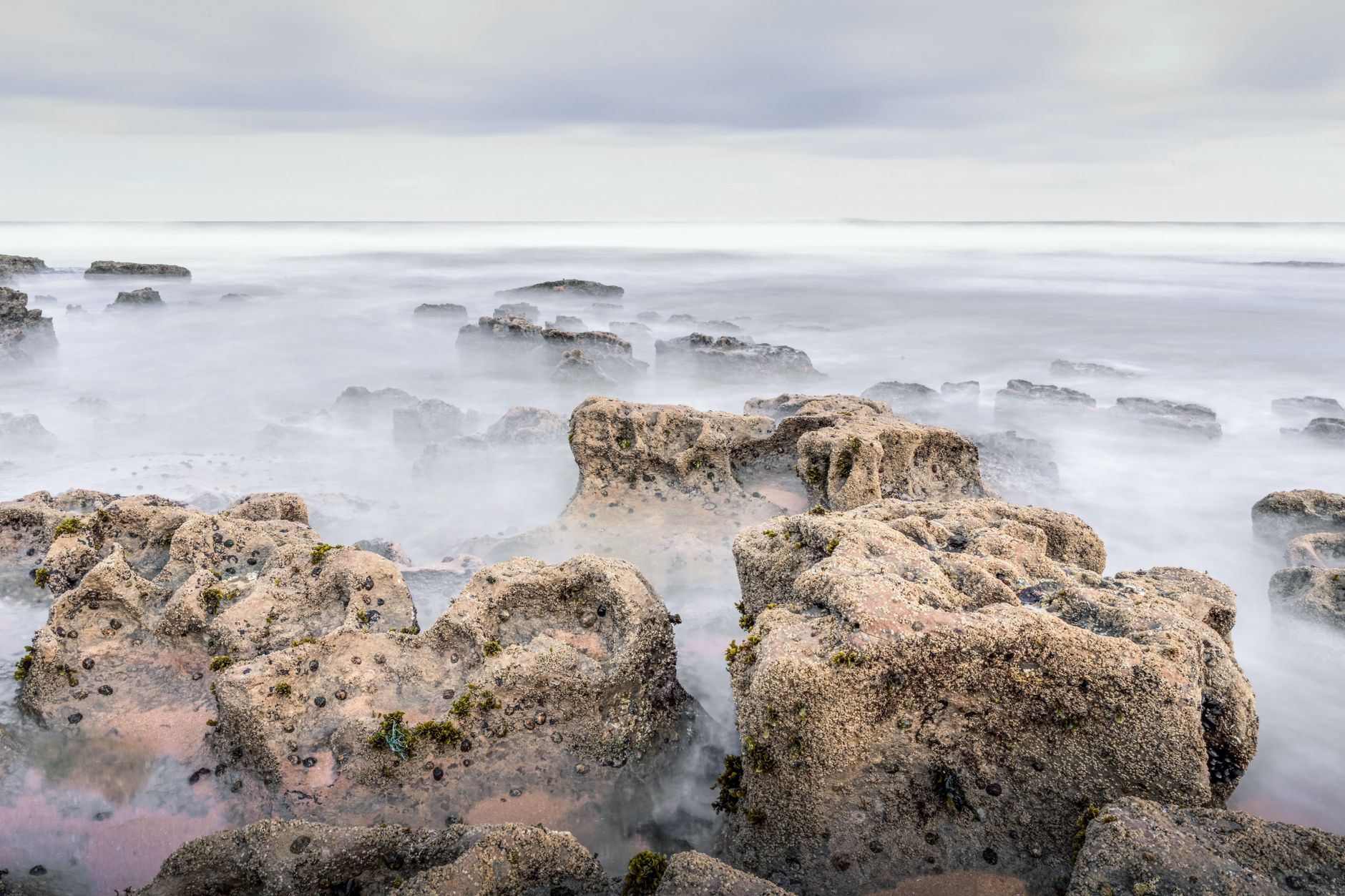
East of the Istana Nurul Iman, where the Brunei River widens before it reaches the sea, a rock breaks the surface of the water. It is roughly twenty meters long, low and dark, and from the right angle on the riverbank it looks unmistakably like the bow of a ship going under. A navigation buoy marks it now, warning boat traffic away from the hull-shaped stone. Locals call it Jong Batu — the stone jong, jong being the old Malay word for a large trading vessel. For generations, the people of Kampong Ayer have told visitors that it is not really a rock at all. It is a ship. It has always been a ship. It simply stopped being wood a very long time ago.
The Son Who Left Kampong Ayer
The story begins with a boy named Nakhoda Manis, born into the stilt villages of Kampong Ayer, where his mother, Dang Ambon, raised him with little money and less to spare. Wanting more than the river could give him, Nakhoda Manis left home as a young man and sailed for Sulu, in the southern Philippines, to make his fortune.
He did not come back for years. When he finally did, he was no longer the boy who had rowed out from the stilt houses with nothing. He came back a nakhoda in truth — a ship's captain and owner — married to a noblewoman from Sulu, dressed in wealth, commanding a crew and a vessel large enough to be seen from the shore long before it reached port. Word spread through Kampong Ayer that Nakhoda Manis had returned, and Dang Ambon, old now and still poor, took a small boat out onto the river to meet her son.
The Denial
What happened next is the part of the story every version agrees on, even when the details around it shift. Dang Ambon paddled toward the great ship, calling up to the son she had not seen in years. His wife saw a ragged old woman in a small boat and was disgusted by her. She would not have this woman anywhere near her husband's ship, and she said so. Rather than correct her, rather than say this is my mother, Nakhoda Manis stayed silent. He let his wife's judgment stand. He ordered his men to push the old woman's boat away from the hull.
Dang Ambon was turned back on the water she had crossed to reach him, disowned by her own son in front of his crew, without a word of explanation offered to her face. She did not curse him in anger on the spot, or not in every telling. What she did was worse than a shout — she asked God to punish a son who was ashamed of the woman who raised him.
The Storm That Made Stone
The sky answered. A storm rose over the river with no warning, the kind of storm sailors in this part of the world describe as unnatural because it comes from nowhere and targets one thing. It struck Nakhoda Manis's ship where it sat anchored, and by the time it passed, the vessel — crew, wife, wealth, and all — was gone. In its place, rising from the riverbed where the ship had gone down, was a long dark rock shaped exactly like a capsizing hull. It has sat there ever since, at the same bend in the Brunei River, worn by tide but never fully submerged.
Whether the wife drowned with him, whether any of the crew escaped, whether Nakhoda Manis himself understood in his last moment what he had done — the tellings diverge here, and most of them don't bother to answer. The story was never really about what happened to the ship's passengers. It was about the son who had a chance, on open water, in front of everyone, to claim his mother and chose his pride instead.
A Warning Told Across the Region
Brunei is not alone in telling a version of this story. Malaysia's Batu Caves carries a similar tale of filial betrayal turned to stone, and folk traditions from the Philippines to Padang in Sumatra hold their own petrified-ship legends built on the same bones: a child who rises above the family that raised them, and a parent who is discarded once they become an embarrassment. That the same warning surfaces independently across so much of maritime Southeast Asia suggests it answered a real anxiety — in societies built on trade and migration, where sons routinely left home to make money elsewhere, what happens to the parents left behind when the son comes back changed.
In Brunei specifically, Jong Batu became something closer to a civic lesson than a ghost story. Parents told it to children not to frighten them but to instruct them: wealth does not excuse cruelty to the people who had none. The rock in the river was proof, or close enough to proof for a story passed mouth to mouth for generations — a permanent, physical reminder anchored where every boat on the Brunei River has to pass it.
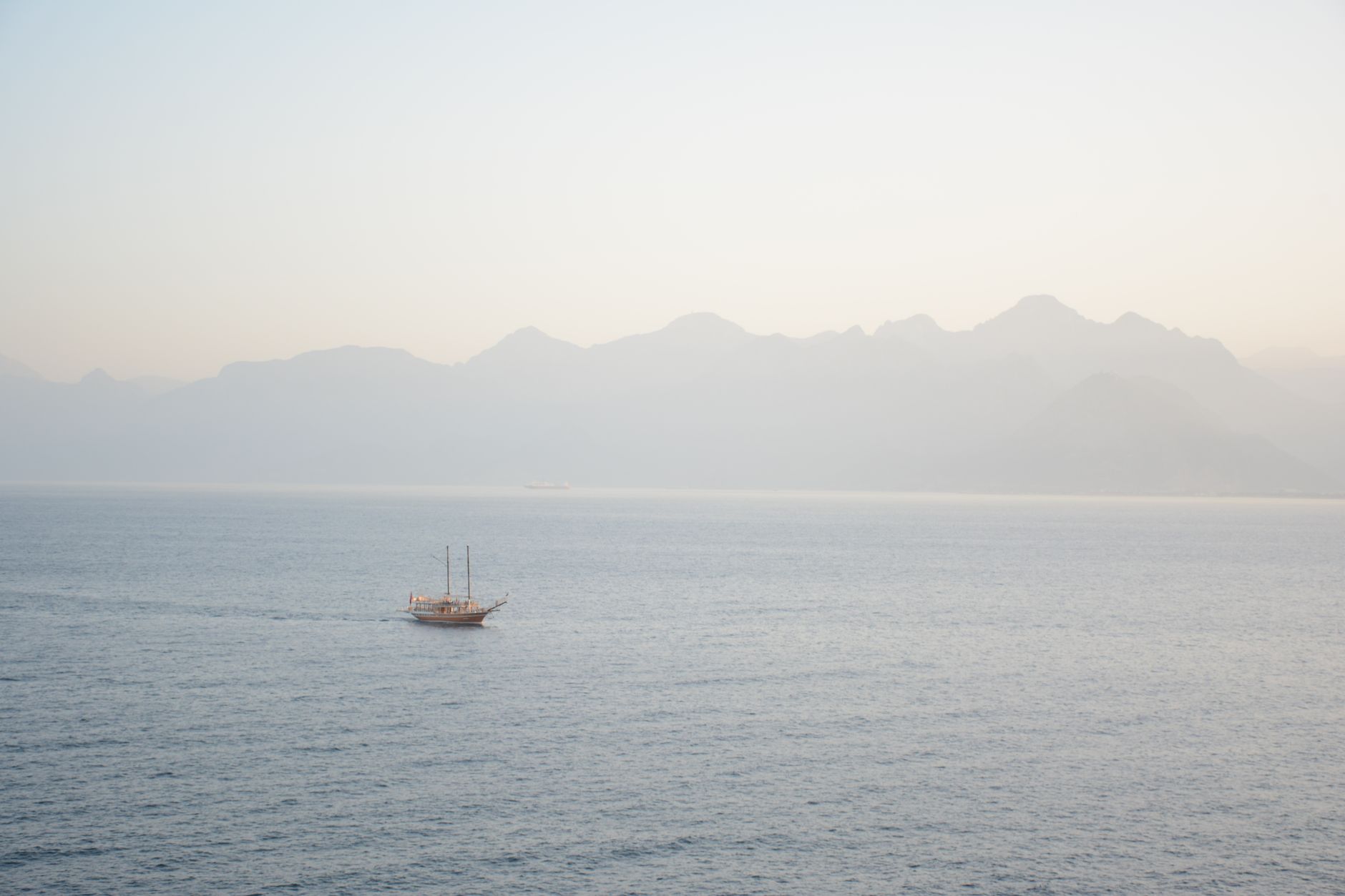
Today, tour boats out of Kampong Ayer still stop near Jong Batu so visitors can see the shape for themselves, the low dark hull rising out of the current exactly where the story says a ship went down. Guides point out the bow, the low stern, the way the rock catches the current like something with a keel. Most visitors take a photograph and move on to the next stop on the river tour. The story tends to stay with them longer than the photograph does.
Related: More Southeast Asian ghosts and folklore.
Learn More
Readers interested in the folklore of Southeast Asia and the moral tales embedded in its coastal legends may find Myths and Legends of Southeast Asia on Amazon a useful companion volume: Explore Southeast Asian Folklore on Amazon.

Comments