This article contains affiliate links. If you buy through them, we may earn a commission at no extra cost to you.
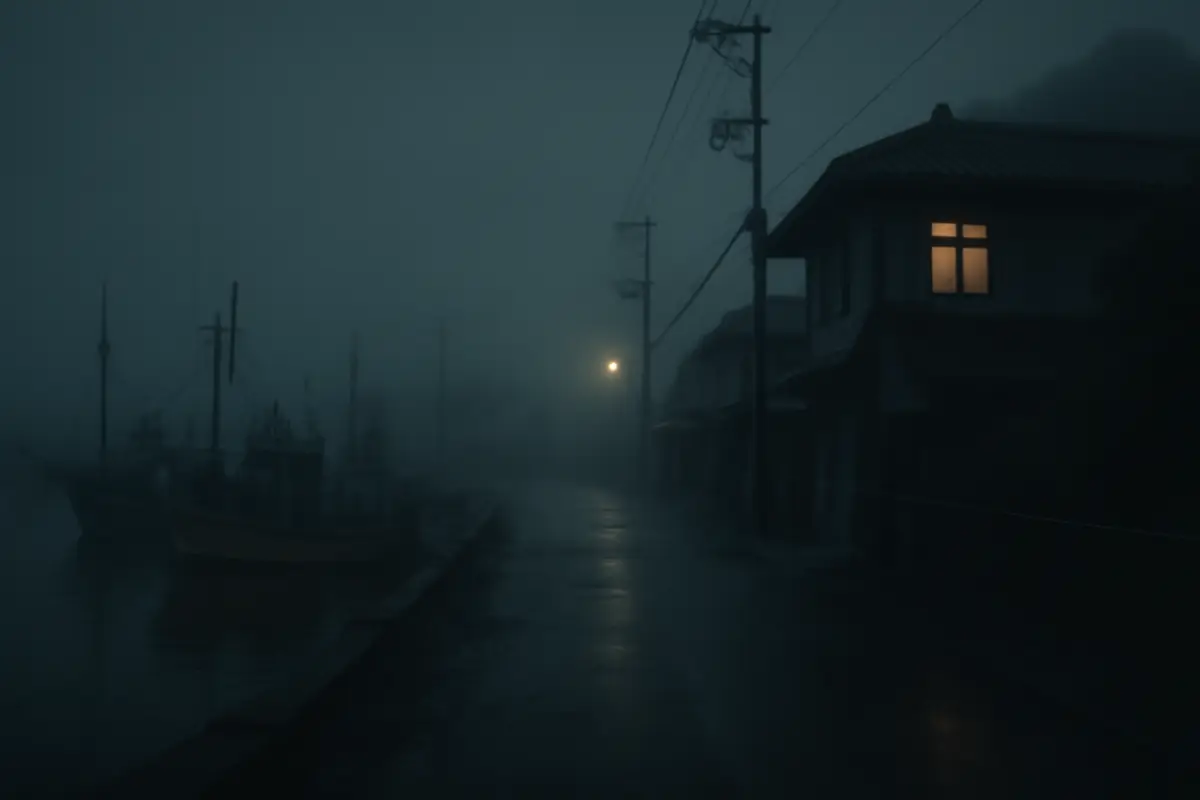
Toguchi is a coastal district of Motobu Town in northern Okinawa, known for Toguchi Port, a working harbor at the mouth of the Manna River historically tied to the local bonito fishing fleet.
- What we could not confirm
- Our conclusion
- What Publishing an Unverified Entry Is For
- Part of a Wider Pattern: Haunted Tunnels Across Japan
- Frequently Asked Questions
- Does the “Former Toguchi Tunnel” actually exist?
- What are Okinawa’s better-documented haunted tunnels?
- Why does Okinawa have so many wartime ghost-story locations?
- Is Toguchi Port itself worth knowing about, apart from the tunnel claim?
- Why are so many tunnels in Japan considered haunted?
- Is Japan considered a haunted country?
- What makes an abandoned tunnel a likely setting for a ghost story in Japan?
- Related Stories
What we could not confirm
We searched extensively for a specific structure called the “Former Toguchi Tunnel” and could not locate reliable documentation — no engineering records, no local news coverage, no prefectural tunnel listing, no established ghost-story write-up under that name. Okinawa has other well-documented haunted tunnels (Maeda Tunnel in Urasoue, Ginama Tunnel), and it's possible this name is a confusion with one of these, or an informally named local structure.
Okinawa has an unusually large number of locations tied to wartime trauma from the 1945 Battle of Okinawa — air-raid shelters, caves, and military tunnels where civilian and military deaths occurred. A “Former Toguchi Tunnel” legend, if genuine, plausibly draws on that backdrop, but we found no verifiable source describing this specific tunnel.
Our conclusion
Toguchi is a real, historically significant port district, but we found no reliable evidence for a specific “Former Toguchi Tunnel” or any ghost story tied to it.
Can you visit: Unknown — we could not confirm the tunnel's location or whether it still exists.
What Publishing an Unverified Entry Is For
We’re including this entry despite the lack of confirmation because the name is said to appear in searches related to Okinawa’s haunted sites, and readers deserve an honest account of what we could and couldn’t find rather than silence or invention. It’s possible the name refers to an informal local structure never covered in any indexed source, or it’s a mix-up with one of Okinawa’s better-documented wartime tunnels.
Part of a Wider Pattern: Haunted Tunnels Across Japan
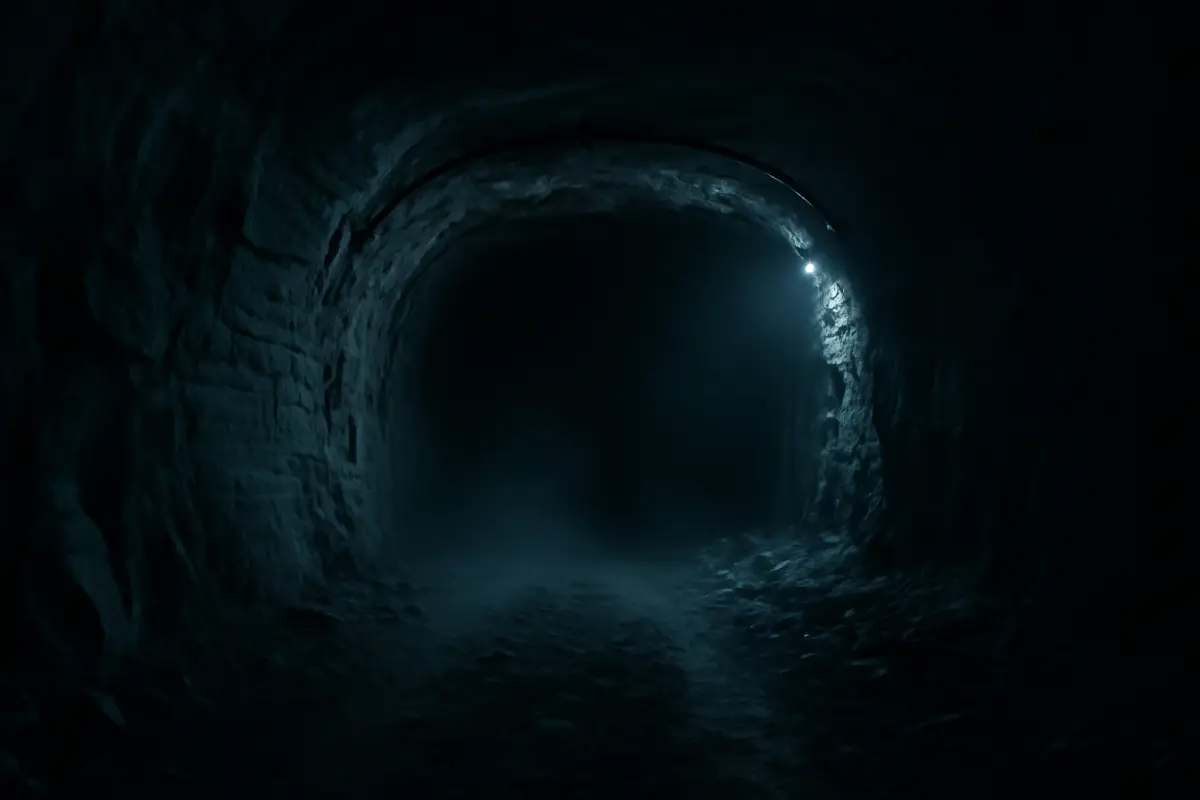
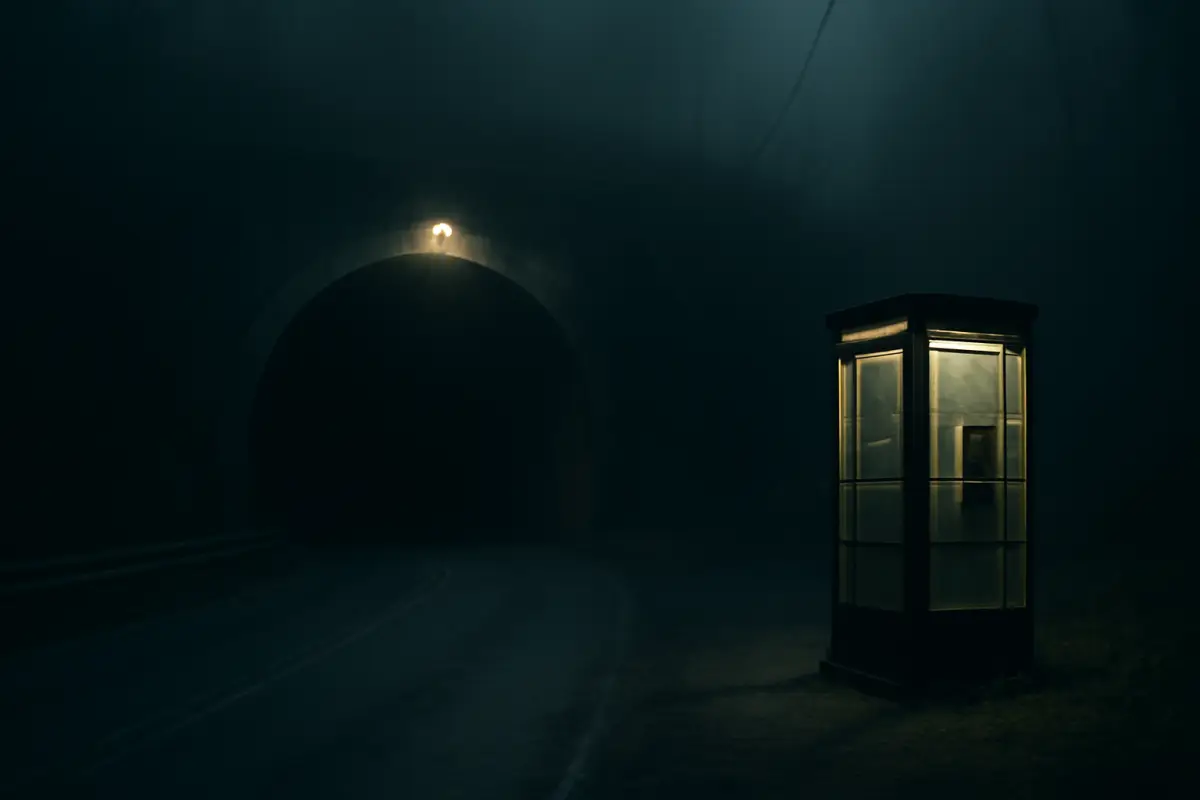
The Former Toguchi Tunnel, Okinawa is one of dozens of similar sites documented across this site, and it fits a recognizable pattern rather than standing alone. Roughly three-quarters of Japan’s land area is mountainous, which has required over a century of tunnel construction, and older bores are typically sealed or abandoned rather than demolished once a wider, better-lit replacement opens nearby. Those abandoned alignments — not the tunnels still in daily use — are where the folklore tends to concentrate: narrow, unlit, and left to decay in a way that reads as ominous even when the underlying cause is a routine highway upgrade. Japan’s long kaidan (ghost story) storytelling tradition, which attaches spirits to liminal spaces such as tunnels, bridges, and mountain passes, gives these sites a ready-made narrative frame.
Frequently Asked Questions
Does the “Former Toguchi Tunnel” actually exist?
We could not confirm it. No engineering records, prefectural listing, or established write-up under that name turned up in our research.
What are Okinawa’s better-documented haunted tunnels?
Maeda Tunnel in Urasoue and Ginama Tunnel both have more substantial documentation tied to the 1945 Battle of Okinawa, and are the likely source of any confusion with this name.
Why does Okinawa have so many wartime ghost-story locations?
The 1945 Battle of Okinawa left an unusually dense concentration of caves, shelters, and military tunnels where documented civilian and military deaths reportedly occurred — real history that plausibly underlies many of the island’s haunted-site legends, confirmed or not.
Is Toguchi Port itself worth knowing about, apart from the tunnel claim?
Yes — it’s a real, historically active harbor tied to Motobu’s bonito fishing fleet, independent of any ghost-story claim, and worth visiting on its own merits if you’re already in northern Okinawa.
Why are so many tunnels in Japan considered haunted?
Japan’s mountainous terrain (roughly three-quarters of the country) has required over a century of tunnel construction, and old bores are typically abandoned rather than removed once a newer route opens nearby. Combined with a long kaidan (ghost story) tradition of attaching spirits to liminal spaces, these abandoned tunnels became natural settings for local ghost stories.
Is Japan considered a haunted country?
Japan has one of the world’s richest documented traditions of ghost stories and haunted-location folklore, built up over centuries through kaidan storytelling, yokai folklore, and site-specific legends attached to tunnels, forests, and other liminal places. That reflects a deep cultural and narrative tradition — not a verifiable claim about supernatural activity.
What makes an abandoned tunnel a likely setting for a ghost story in Japan?
Age, disuse, and physical decay do most of the work: a dark, damp, overgrown structure that once carried traffic and now carries none reads as unsettling on its own, independent of any specific incident. As with The Former Toguchi Tunnel, Okinawa, the underlying history is often more mundane — a routine bypass or road realignment — than the legend suggests.
As an Amazon Associate, this site earns from qualifying purchases.
Comments