This article contains affiliate links. If you buy through them, we may earn a commission at no extra cost to you.
In Jamaica, a duppy is not a generic ghost. It is a specific kind of spirit with its own vocabulary, its own dangerous subtypes, and a set of protective customs still practiced today: the nine-night wake, the rum poured at the base of a silk cotton tree, the belief that a body isn't fully gone from this world until nine days after burial. The word itself, and much of the belief system behind it, traces directly back to West Africa, carried across the Atlantic during the slave trade and kept alive in Caribbean oral tradition for more than three centuries.
Verified History and Etymology
Linguists trace “duppy” to the Ga language of Ghana, tied to the Akan/Ashanti cultural sphere that supplied a large share of the enslaved people brought to Jamaica's sugar plantations from the 1670s onward. One proposed root is the Ga word “adope,” meaning dwarf; another links it to “Dapaa,” a day name in the Akan calendar falling nine days after the first Monday of a given month, a detail that lines up with Jamaica's nine-night funeral tradition. Folklorists agree the term is an African word that survived the Middle Passage attached to African beliefs about the dead.
Those beliefs took root and adapted on the island itself. Enslaved and later free Jamaicans kept an oral storytelling tradition alive well into the 1800s, and duppy stories sat alongside the trickster Anansi tales as the backbone of that tradition. Folklorists Martha Warren Beckwith and Walter Jekyll independently documented dozens of these stories and the customs around them in the early twentieth century, and their fieldwork remains the primary written record scholars still cite today.
The Legend
Jamaican tradition holds that everyone has two spirits: a duppy or shadow that can be separated from the body, and a soul that goes on to judgment. When someone dies, the family holds a nine-night wake, said to give the spirit time to make its final journey and prevent it from lingering as a restless duppy.
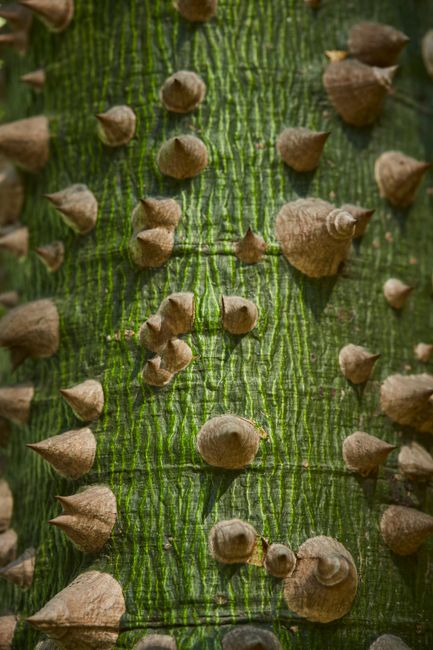
The dangerous duppies have names. The Rolling Calf is described as a huge, chained, calf-like creature that blocks roads and chases travelers at night, said to be the spirit of a cruel or dishonest butcher in life. Ol' Higue is an old woman by day who is said to shed her skin at night and fly as a ball of fire to drain the blood of infants; tradition says scattering rice or sand at her doorstep forces her to stop and count every grain before dawn. The Whooping Boy and the Three-Footed Horse round out the more feared figures, and the Silk Cotton tree is singled out as a duppy haunt: woodcutters reportedly would not fell one for a canoe without first pouring a rum offering to the spirits believed to live among its roots.
What's Actually Verifiable
No investigation has ever produced physical evidence of a duppy, an Ol' Higue, or a Rolling Calf, and there is no verified case of an illness or death forensically attributed to one. What is well documented is the folklore's authenticity: the vocabulary, the nine-night custom, and the creature types were recorded independently by multiple early-twentieth-century folklorists collecting directly from Jamaican communities. Nine-night wakes are still held across Jamaica and its diaspora today. What can't be verified is a single origin story for exactly how figures like the Rolling Calf crystallized into their current form, since the stories predate the written record that eventually captured them.
Cultural Significance Today
Duppy stories remain part of everyday Jamaican speech, and the tradition has traveled with the Jamaican diaspora to the UK, the US, and Canada. The related jumbie of the Lesser Antilles and the Ol' Higue/soucouyant traditions found across Trinidad and Guyana show the same West African root spreading and adapting island by island, a pattern covered in more depth in our broader look at zombie and undead legends around the world.
Related: River Mumma: The Golden Comb Spirit of Jamaica’s Rivers, More Caribbean legends and ghost stories.
Learn More
- Jamaican Song and Story by Walter Jekyll
- Jamaica Anansi Stories by Martha Warren Beckwith
- Black Roadways by Martha Warren Beckwith
Frequently Asked Questions
Q1: What does the word “duppy” actually mean?
It refers to a specific kind of spirit or ghost in Jamaican and wider Caribbean folklore, distinct from the soul, believed capable of lingering after death.
Q2: Where does the word come from?
Linguists trace it to the Ga language of Ghana, part of the Akan/Ashanti cultural sphere carried to Jamaica by enslaved West Africans from the 1670s onward.
Q3: What is a Rolling Calf?
A feared duppy said to take the form of a huge, chained, calf-like creature that blocks roads and chases night travelers, traditionally described as the restless spirit of a dishonest butcher.
Q4: What is Ol' Higue?
An old-woman figure said to shed her skin at night and fly as a fireball to drain blood from infants; folklore holds that scattering rice or sand at her door forces her to count every grain before dawn.
Q5: Why is the nine-night wake held?
Jamaican tradition holds that a spirit's journey from this world isn't complete until nine nights after death, and the wake is meant to help it move on rather than linger as a duppy.
Q6: Is duppy belief still practiced today?
Yes. Nine-night wakes are still held across Jamaica and its diaspora communities, and duppy vocabulary remains part of everyday Jamaican Patois.
As an Amazon Associate, this site earns from qualifying purchases.

Comments