
This article contains affiliate links. If you buy through them, we may earn a commission at no extra cost to you.
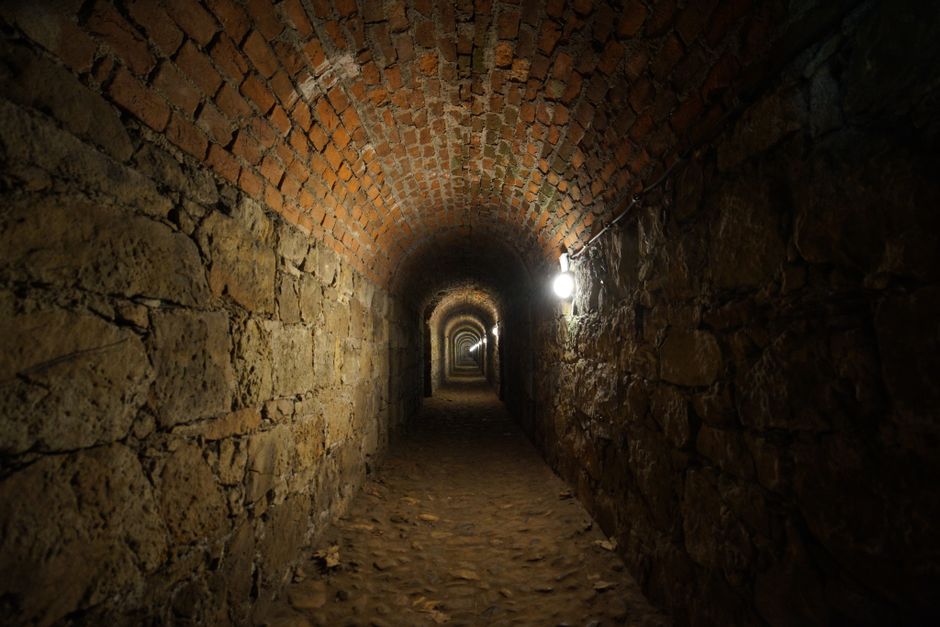
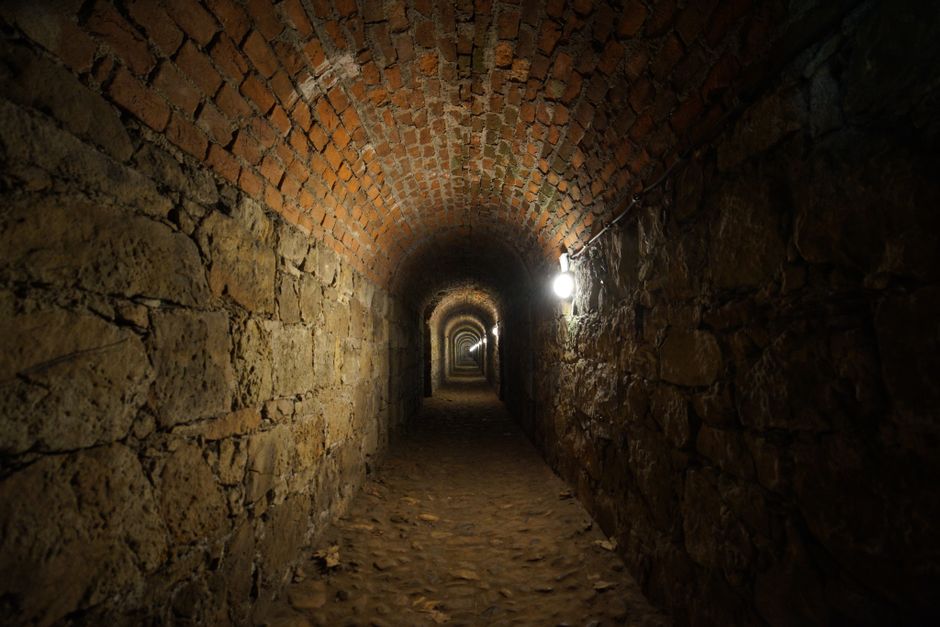
Built in 1949 to connect two towns in Kanagawa Prefecture’s mountainous Minami Tama District, the Former Aoju Tunnel went from popular tourist attraction to permanently closed, off-limits site — with a ghost story that grew alongside its decline.
A Faceless Encounter With No Named Victim
According to local accounts, one of the tunnel’s earliest visitors was a young woman who reportedly heard strange noises from within, followed by the appearance of a group of faceless figures. Terrified, she fled and never returned. What’s notable about that origin story is what it’s missing: no name, no date, no specific tragedy behind it — just an unexplained encounter that set the legend in motion on its own.
From there, the story expanded into a specific piece of driving folklore: those who pass through the tunnel at night may encounter strange figures and unusual noises, believed by some to be the spirits of workers who died during construction. The detail that gets repeated most consistently is a warning — stop your car in the middle of the tunnel and the spirits will surround the vehicle, trapping the driver in place, unable to move.
We could not verify the faceless-figures encounter or any construction-era deaths against a documented source. What’s confirmed independently is the tunnel’s actual closure: it was shut down in 1990 for genuine safety reasons, a straightforward infrastructure decision that has, if anything, deepened the site’s haunted reputation — a closed, inaccessible tunnel invites more speculation than one still in ordinary daily use.
An Instruction, Not Just a Story
Like Mikumo Tunnel in Shiga Prefecture, this legend centers less on a backstory and more on an instruction: don’t stop your car inside. That kind of actionable warning tends to spread differently than a purely descriptive haunting, because it gives every driver something concrete to do — or avoid — regardless of whether they believe the underlying story.
The tunnel’s shift from a genuinely popular local attraction to one of the region’s most avoided sites tracks closely with its formal 1990 closure, which suggests at least part of its haunted reputation grew specifically because it became inaccessible, rather than existing independently of that fact. A place people can no longer easily visit tends to accumulate more elaborate stories than one still in ordinary daily use, precisely because there’s no continued, mundane experience of the site left to keep the legend grounded.
Can You Visit?
The Former Aoju Tunnel has been closed to the public since 1990 and remains off-limits. That closure should be respected as a genuine safety measure, not treated as an obstacle to work around for the sake of the legend — the tunnel’s condition after more than three decades of neglect is reason enough on its own.
Did construction workers really die building Aoju Tunnel?
We could not verify any construction-era deaths against a documented source — the claim exists only within the local legend.
Should you stop your car inside the tunnel?
The legend warns against it, claiming spirits will surround a stopped vehicle — a story detail, not documented advice, though the tunnel’s closed status makes the question moot in practice.
Ghost-Hunting Gear & Further Reading
- Books on Japanese haunted places and abandoned infrastructure
- Kanagawa Prefecture travel and history guides
As an Amazon Associate, this site earns from qualifying purchases.
Comments