This article contains affiliate links. If you buy through them, we may earn a commission at no extra cost to you.
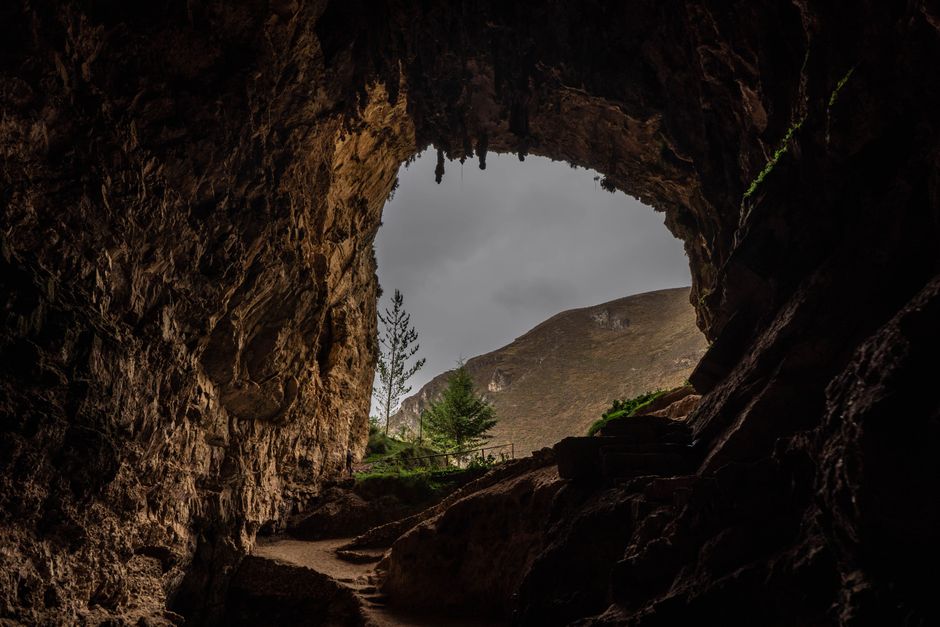
Akiyoshido (秋芳洞) in Yamaguchi Prefecture is not an obscure local cave — it’s one of Japan’s largest limestone caves, a designated Special Natural Monument stretching roughly 10.7 kilometers underground beneath the Akiyoshidai plateau, and a major tourist destination visited by thousands of people every year. An earlier version of this article described a different, fabricated legend involving invented names that don’t appear to correspond to this actual site. We’re correcting that here.
Correction: This Is a Real, Named Landmark — Not a Local Curiosity
Earlier research for this page told a story involving a farmer named Torazo Onizuka discovering a bone-filled chamber and a local man called Chitose who became a ghost tour guide. We could not find any independent trace of either figure, and given that Akiyoshido is one of the most thoroughly documented natural landmarks in Japan — with a real discovery history, real geological surveys, and a real tourism authority — the absence of any record for either person is a strong signal that the earlier account was either badly garbled or entirely invented. We’re removing it rather than continue repeating unverifiable, and likely fabricated, character names attached to a real, well-documented place.
The Legend Actually Associated With Akiyoshido
The haunted reputation independent sources consistently attach to Akiyoshido centers on the Heike (Taira clan) warriors defeated at the Battle of Dan-no-ura in 1185. Local tradition holds that surviving Heike soldiers fled inland and took refuge in caves in this region, and that their spirits have lingered in Akiyoshido ever since — visitors and paranormal enthusiasts report orbs appearing in photographs, particularly near the cave’s famous golden-pillar rock formation (黄金柱), and describe glimpsing dark, armor-shaped silhouettes in the depths of the cave.
A Real Discovery in 2023
Adding a genuinely documented, unsettling element to the site’s reputation: in May 2023, an unidentified man’s body was found inside the cave. We haven’t been able to independently confirm further details of that discovery beyond its being reported, but unlike the invented character names in the earlier version of this article, this is treated as a real news event rather than folklore, and it’s a more direct source of the cave’s recent unease than any ghost story.
What’s Actually Verifiable
Akiyoshido’s scale, age (formed over an estimated 300+ million years), designation as a Special Natural Monument, and status as one of Japan’s largest limestone caves are all well-documented, checkable facts — this is real geology, not folklore. The Heike-warrior origin of the ghost legend is a documented piece of local tradition, though we can’t verify that any specific spirit sighting reflects an actual historical event rather than folklore built around the region’s Genpei War history.
Can You Visit?
Yes — Akiyoshido is a fully developed, actively operating tourist attraction with paved walkways, lighting, and regular visitor traffic, reachable from the nearby town of Mine. It requires no special access beyond a standard admission ticket, unlike most sealed or abandoned sites this series covers.
Frequently Asked Questions
Is the earlier “Torazo Onizuka” / “Chitose” story about this cave true?
We could not verify either figure against any documentation, and given how thoroughly documented Akiyoshido is as a real landmark, we believe that account was inaccurate or fabricated. We’ve removed it and replaced it with the legend actually associated with this site.
What is Akiyoshido’s real haunted legend?
Local tradition ties it to Heike clan warriors who fled here after their defeat at the Battle of Dan-no-ura in 1185, with orbs and dark silhouettes reported by visitors — layered onto a cave that is also a genuine, major geological landmark.
Ghost-Hunting Gear & Further Reading
- Books on Japanese cave folklore and ghost legends
- Yamaguchi Prefecture travel and natural history guides
As an Amazon Associate, this site earns from qualifying purchases.
Visiting Akiyoshido
Akiyoshido is open every day of the year, with no fixed closure days, though hours can shift for weather or maintenance work. As of the most recent published schedule, the cave runs roughly 9:00 AM to 4:30 PM during the regular season (April–June, October–November), extends to 5:30 PM during the busier July–September stretch, and opens earlier — around 8:30 AM — during Golden Week and Obon. Admission has run around 1,300 yen for adults and 700 yen for elementary-school children in recent seasons, though ticket prices do get revised, so it’s worth checking the official Akiyoshidai / Mine city tourism site for the current figures before you go.
The most common way in is by bus from Shin-Yamaguchi Station, the Shinkansen stop — Bocho Bus runs the route in about 45 minutes, roughly once an hour. There’s also a slower JR Bus connection from the regular Yamaguchi Station, closer to an hour and running less frequently. Either way, the bus drops you within a short walk of the cave entrance.
Inside, the walkway is paved and lit, and most visitors move through in under an hour. The single feature nearly everyone stops for is Konjyoubashira (黄金柱), the “golden pillar” — a roughly 15-meter limestone formation built up over an estimated hundreds of thousands of years, and, as noted above, the spot where visitors most often report the orb photographs tied to the cave’s ghost legend. Above ground, Akiyoshidai — the karst plateau the cave sits beneath — is worth the extra time if you have it: a stretch of rolling grassland dotted with limestone outcrops that looks almost nothing like the cavern underneath it, and a natural pairing for anyone making the trip out to Mine specifically for Akiyoshido.
If Akiyoshido has you thinking about working more of Japan’s stranger real-world sites into a trip, our guide to the best travel guides for haunted Japan rounds up resources for planning that kind of itinerary.
Comments