This article contains affiliate links. If you buy through them, we may earn a commission at no extra cost to you.
In Argentina's Río Negro province, the small Patagonian farming town of Cinco Saltos carries a nickname most agricultural towns don't: “the City of Witches.” Behind the label sits a genuine irrigation-engineering history — and a real, documented discovery in its old cemetery that gave the legend new life in the 21st century.
The Real History
Cinco Saltos (“Five Waterfalls,” referring to five stepped drops along the town's main irrigation canal) sits in the Alto Valle del Río Negro, one of Argentina's key fruit-growing regions. The area's first settlers arrived in 1914. Until 1932, the settlement was known as Colonia La Picasa; a national decree that year renamed it Cinco Saltos.
The town's growth is tied directly to the Ingeniero Ballester Dam and its Main Irrigation Canal, an engineering project that channels water roughly 120 kilometers to irrigate the surrounding valley and underpins the region's fruit industry. In 1918, the Ferrocarril del Sud railway established an agronomic research station at Cinco Saltos to support local farmers.
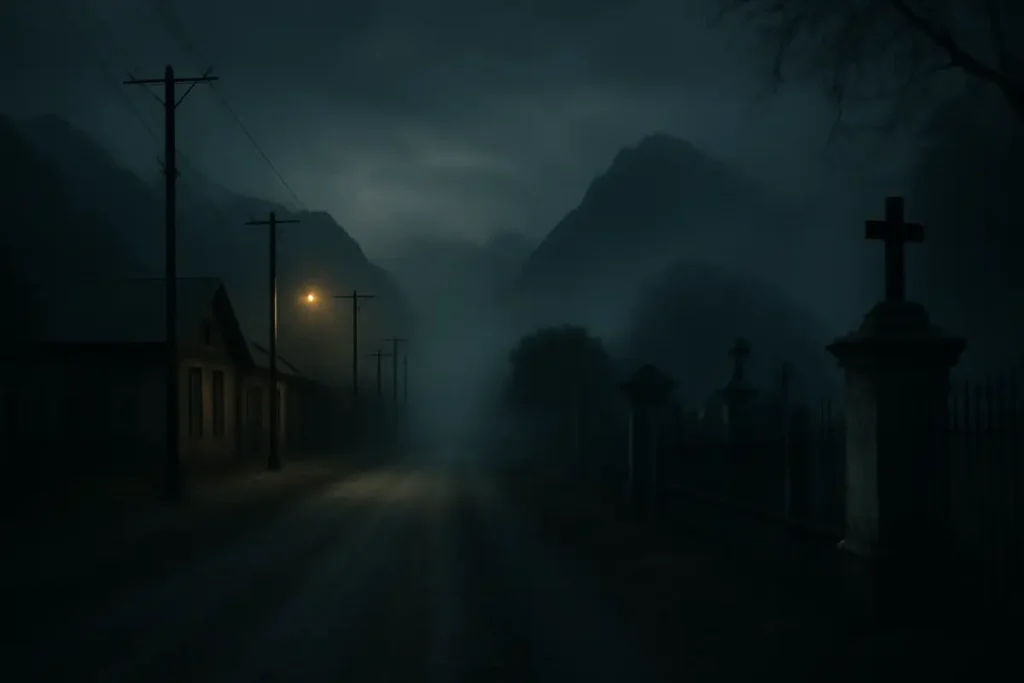
The “City of Witches” reputation centers on a district known locally as Bajo Negro (“black lowland”), an area near the canal system that residents describe as receiving unusually little direct sunlight for parts of the year due to its terrain and surrounding vegetation. Local tradition holds that this shaded, secluded geography made it a historical gathering point for practitioners of folk magic and ritual.
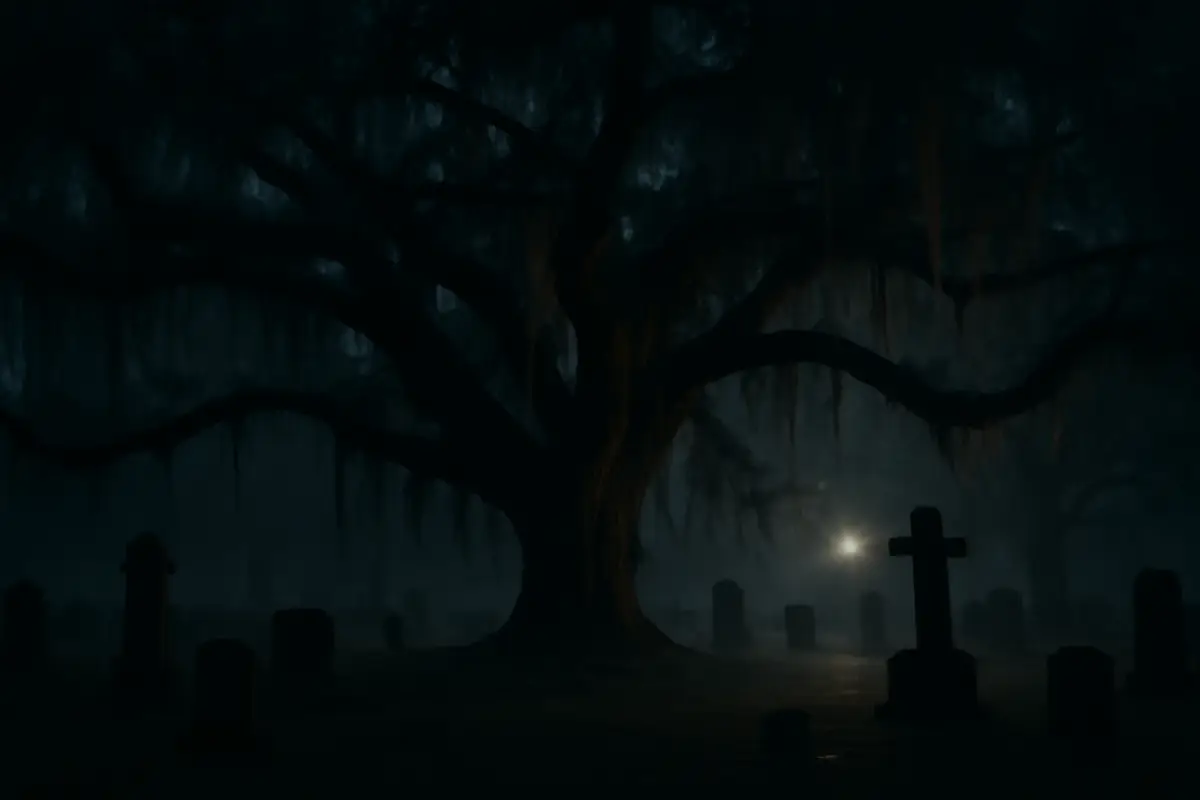
The most concrete, documented event tied to the town's eerie reputation dates to 2009, when cemetery workers restoring an ossuary in Cinco Saltos's old cemetery uncovered the body of a girl, estimated at eight to twelve years old, who had died in the 1930s. Rather than being skeletal after roughly seventy years underground, the body was found naturally mummified — intact, chained, and barely decomposed. This case is separate from Argentina's famous pre-Columbian “Llullaillaco mummies” found on a Salta volcano, which date from around 1500 CE.
The Haunting
Local legend holds that Bajo Negro was, and in whispered tradition still is, a site where witches gathered to practice necromancy and black magic under its unusually dim natural light — the origin of the “City of Witches” nickname. Separately, residents near Pellegrini Lake, which runs through Cinco Saltos, report hearing the cries of a baby said to have drowned there. The 2009 discovery of the mummified, chained girl has since folded into this broader local lore, though investigators attributed the mummification to natural soil and burial conditions rather than anything supernatural.
Can You Visit?
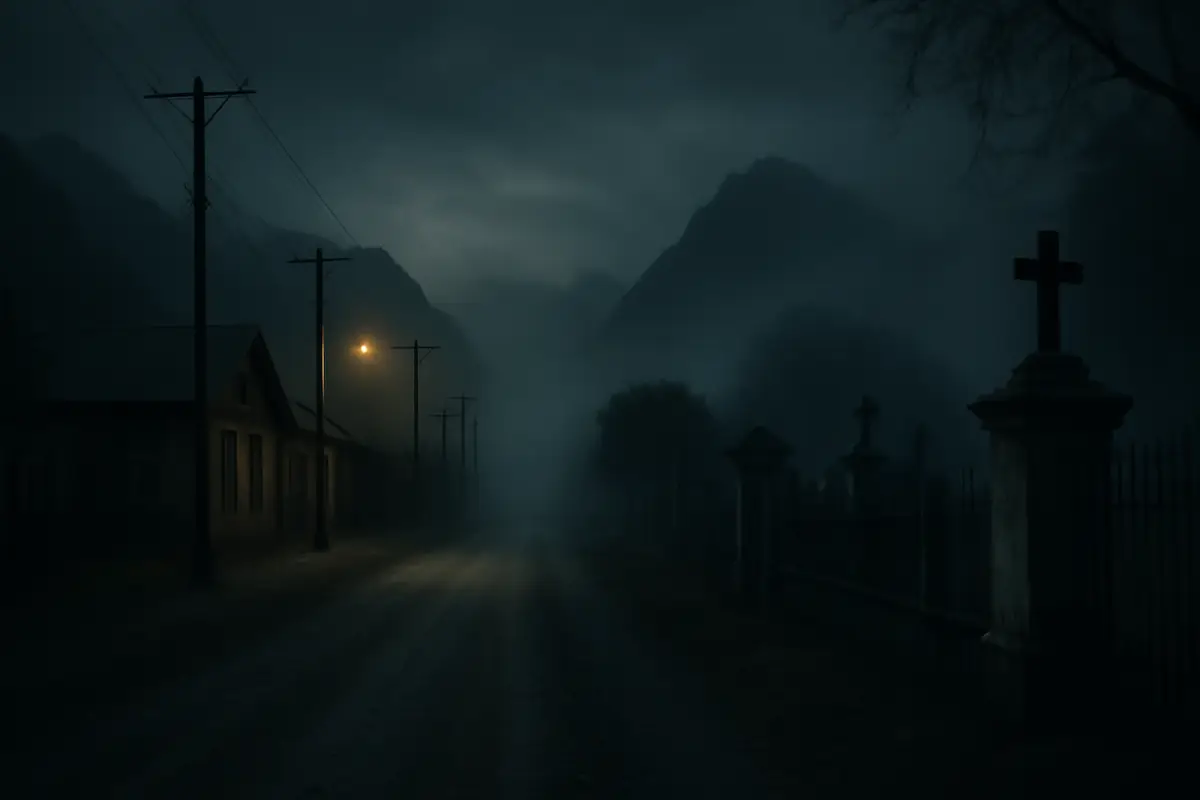
Yes. Cinco Saltos is a functioning town of roughly 30,000 residents, fully accessible by road in Río Negro province, and its cemetery and Bajo Negro area can be visited, though as with any residential district and active burial ground, visitors should be respectful of local residents and cemetery rules.
Frequently Asked Questions
Why is Cinco Saltos called the “City of Witches”?
The nickname stems from the Bajo Negro district, a low-lying, shaded area near the town's irrigation canal that local tradition associates with historical witchcraft and ritual gatherings.
Was a mummified body really found in Cinco Saltos?
Yes. In 2009, cemetery restoration workers found the naturally mummified, chained body of a girl estimated at eight to twelve years old, buried in the 1930s, in the town's old cemetery ossuary.
As an Amazon Associate, this site earns from qualifying purchases.