- Native
- Леший (leshiy)
- Type
- Forest guardian spirit
- Region
- Eastern Europe (Russia, Ukraine, Belarus)
- Verification
- Oral tradition
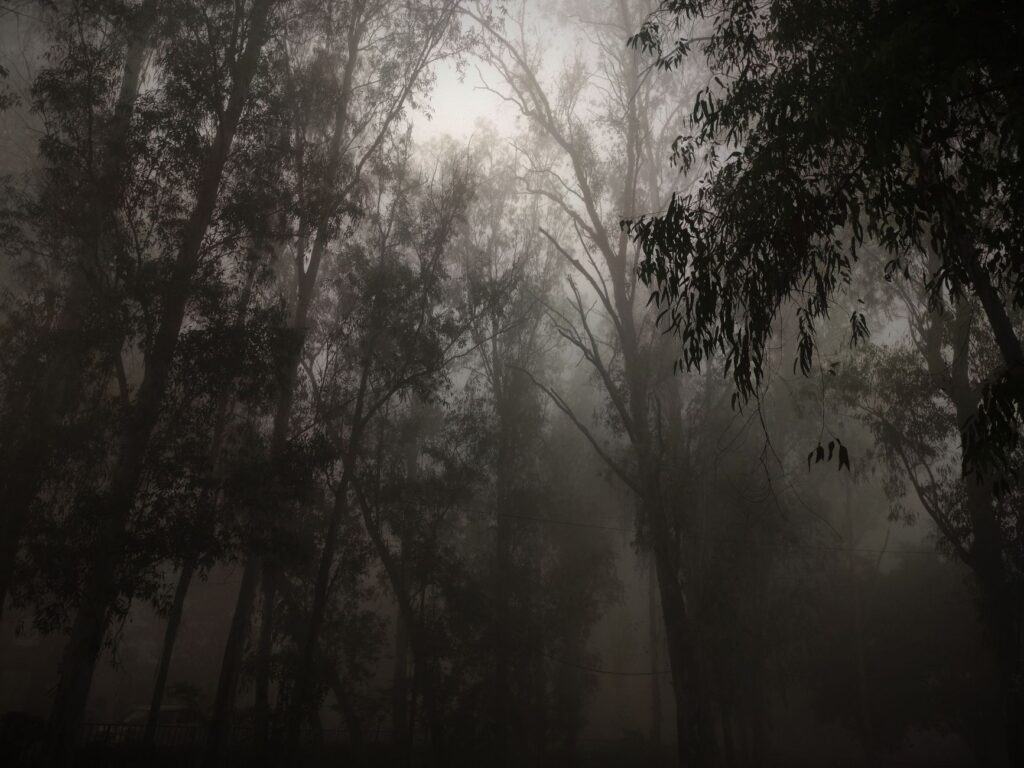
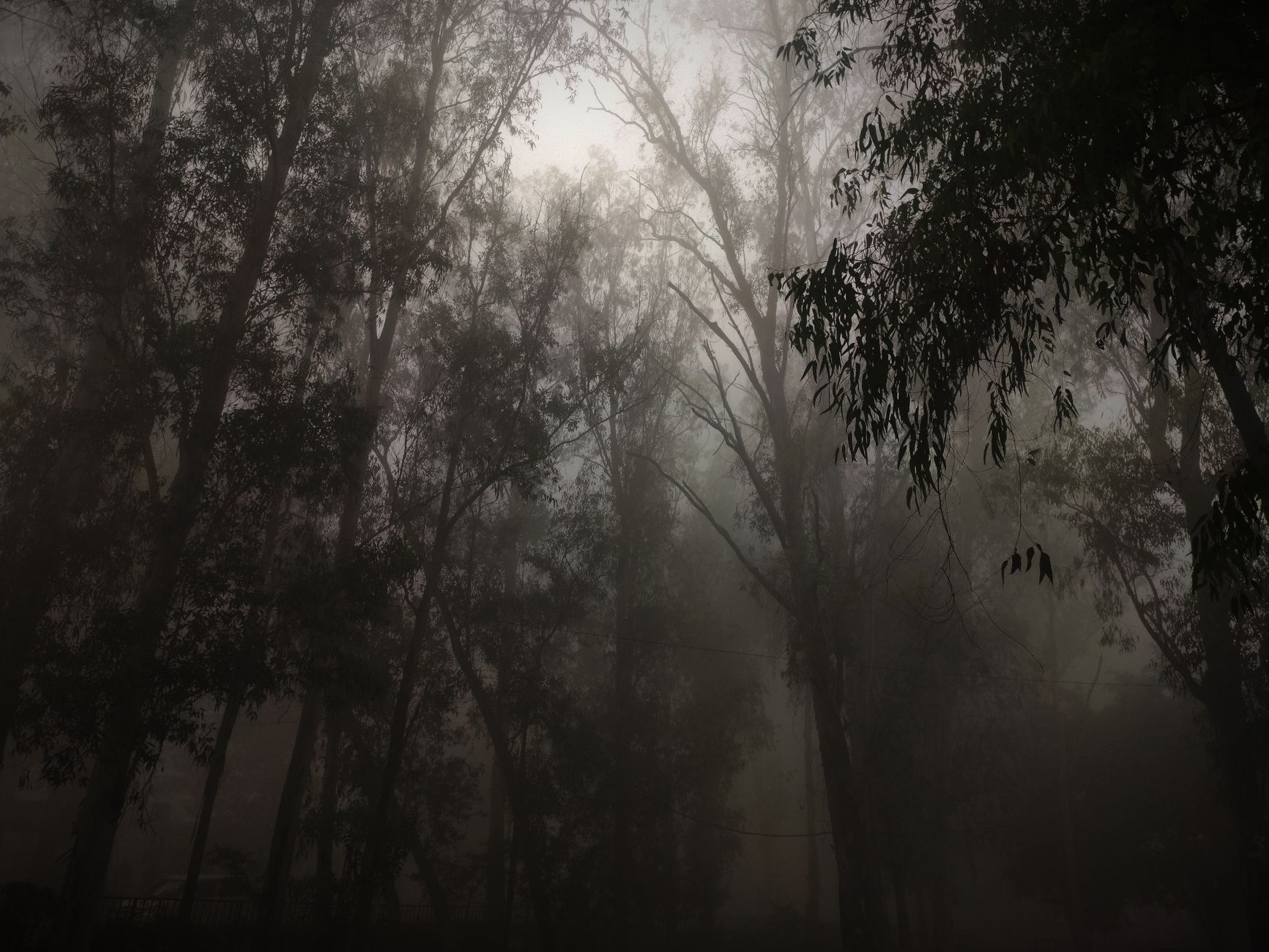
The leshy (Russian leshiy, Леший) is the forest spirit of East Slavic folk belief, called the lisovyk in Ukrainian and the lyasun in Belarusian. He can look like a peasant, a wolf or a tree, and he is blamed for travellers who lose their way in the woods. The tell is his clothing: it is on wrong. The leshy is a figure of oral tradition, written down mostly from the nineteenth century.
In the record
- Dal’s dictionary (1880-1882) defines the leshy as a forest spirit like the domovoi, field spirit and water spirit, and records a proverb: “If there is a forest, there will be a leshy.”
- W. R. S. Ralston’s Songs of the Russian People (2nd ed., 1872) gives a long English account, including the shoes-and-clothing remedy for being lost.
- Afanasyev’s Poetic Views of the Slavs on Nature (1865-1869) notes that unclean spirits such as the leshy fold the left coat flap over the right, and that in Little Russia the wolves have a shepherd, Polisun or Lisovik.
- Russian and English Wikipedia list the later uses: Chekhov’s The Wood Demon (1889), and video games.
Not in the record
- That any real creature or event lies behind the figure.
- How old the belief is before nineteenth-century collecting.
- Whether he is a descendant of an older forest god. English Wikipedia says only that he “may be related to” the god Porewit.
What Is the Leshy?
The name comes from the Slavic root for “forest” (lěsъ), according to English Wikipedia. Dal, in the entry for “forest” in his Explanatory Dictionary of the Living Great Russian Language, groups the leshy with other nature spirits and lists his noises: he sings without words, claps, whistles, calls out, laughs and cries. Dal also says he turns into a peasant with a bag, a wolf or an owl.
The names vary with the forest. English Wikipedia lists borovoy for pine woods, gayevoy for groves, lesovik, leshak and lesun in Russian, lyasun in Belarusian and lisovyk and lisun in Ukrainian. Russian Wikipedia counts well over a hundred Russian names and says that politeness titles such as “grandfather” were used because a spirit called a relative would not harm you.
Tall as a Tree, Short as Grass
Ralston, writing in 1872, says the leshy can change his size at will, “taller than the trees of the forest” at one moment and “shorter than the grass of the field” at another. Russian Wikipedia repeats a related belief that his height follows the vegetation around him.
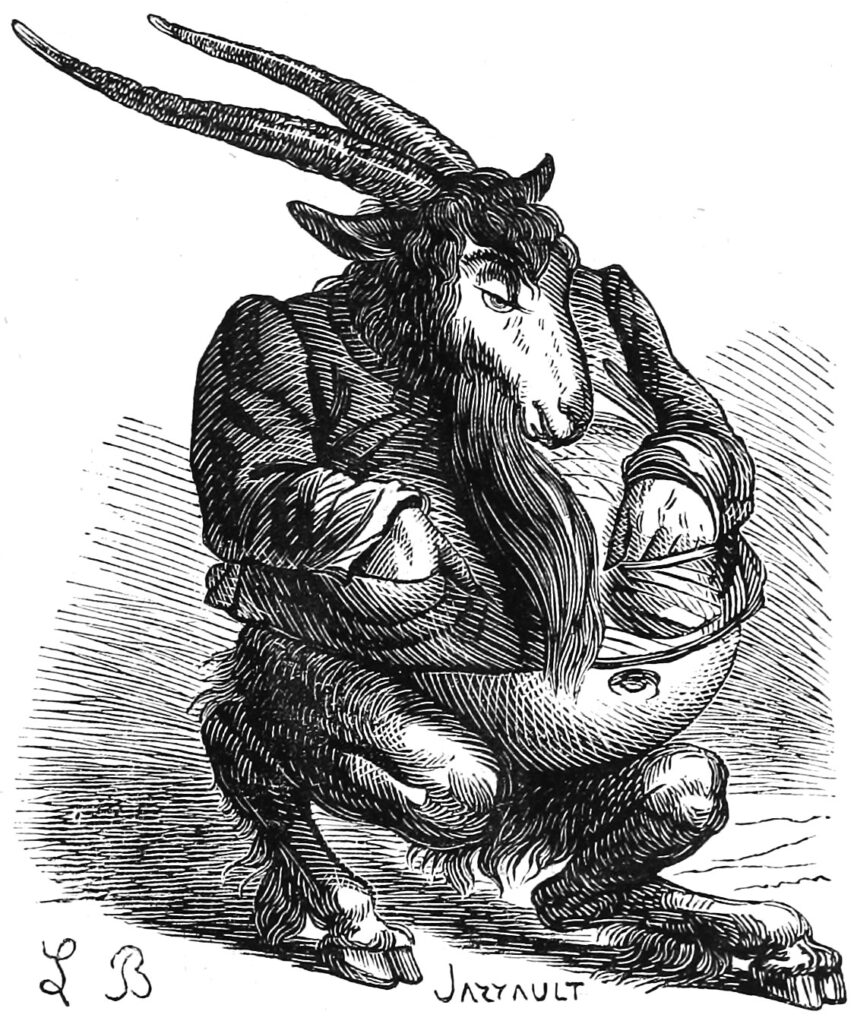
Ralston adds a regional split. In the governments of Kiev and Chernigov, he writes, peasants divided leshies into those of the woods and those of the cornfields. The field kind stood as tall as the growing corn and shrank to stubble height after harvest.
Backwards Shoes and Wrong-Side Coats
The clothing detail is the most consistent one across the sources. Ralston describes a peasant in a sheepskin, ungirdled, with the left skirt crossed over the right. Afanasyev makes the same point in his first volume: unclean spirits such as leshies and water spirits wear their coats with the left flap over the right, the reverse of how a coat was normally worn. Russian Wikipedia adds that his shoes are often mismatched or worn on the wrong feet. The Ukrainian entry puts his left shoe on his right foot.
Ralston also gives him no eyebrows or eyelashes, and sometimes one eye. Wikipedia lists a missing eyebrow, ear or eye among the descriptions and says some tellers gave him no shadow. These are details from different tellers, not one fixed portrait.
Getting Lost in the Forest
Ralston is the fullest account of the leshy as the cause of getting lost. In old days, when forests were denser, he writes, the leshy would alter landmarks, imitate a tree the neighbours steered by, or take the form of a traveller and chat with a passer-by until the man found himself in a swamp or ravine. Then came a loud laugh. A forest-keeper who heard a child wailing at night was advised to keep walking straight and ignore it.
The remedy is the same clothing, turned around. Ralston: the lost person's best plan is to take off the shoes and reverse their linings, and perhaps turn the shirt or pelisse inside out. Dal's entry says the same in fewer words: people free themselves by putting their clothes on inside out. English Wikipedia adds variations, such as switching the shoes between feet and retracing one's own footprints. Russian Wikipedia lists asking him for the way, making him laugh and drawing a circle around yourself.
Shepherds, Hunters and His Animals
Ralston reports regional herding customs. In Olonets, a herdsman was to give the leshy a cow every summer or lose the herd. In Arkhangelsk, if the herdsmen pleased him, he saw to the pasturing himself. Afanasyev says shepherds who “know” the leshy do not herd at all, because the obliging forest spirit does it.
Hunters left bread or a pancake sprinkled with salt on a stump, according to Ralston, and one incantation he quotes calls on “Devils and Lyeshies” to drive hares to the hunter. Russian Wikipedia says that a hunter who revealed his arrangement with the leshy lost his favour.
The animals are his. Ralston names the bear as his favourite and says migrations of squirrels and mice were explained by leshies driving their flocks, with one 1843 squirrel migration blamed on a leshy who had gambled his squirrels away. Afanasyev and Ralston both record the Little Russian belief that he protects the wolves. The Ukrainian entry calls him the “god of wolves”, citing reference works.
Where the Stories Were Written Down
Dal's dictionary (1880-1882), Afanasyev (1865-1869) and Ralston (1872) are the sources used here. Russian Wikipedia's bibliography also names Zelenin and Tokarev as references for the leshy; no claim in this article rests on them. Afanasyev read such figures as storm spirits, an approach critics later called Romantic.
For neighbouring beliefs, see the domovoi, the household guardian Dal files beside him. Ralston compares the forest voices that lure woodcutters to the rusalka, and a protective charm in his book lists the leshy next to Baba Yaga. Poland has its own forest devil, Boruta. More is on the Slavic and Eastern European folklore page.
The Leshy in Later Culture
Russian Wikipedia lists the leshy in literature, painting, opera and film, among games The Witcher 3 (2015) and Inscryption (2021). English Wikipedia names Chekhov's play The Wood Demon (1889), where a character is nicknamed after him. These are works of art and fiction, not records of belief.
How Much Is Documented
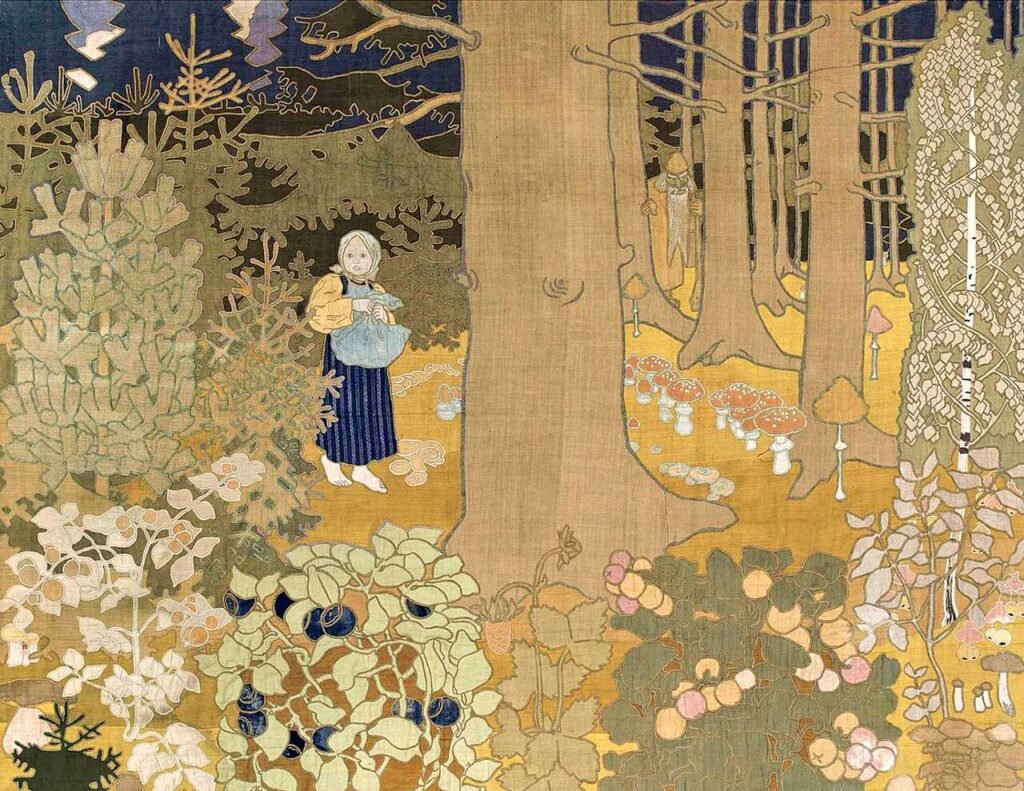
The collecting is documented and can be dated. The belief itself is oral tradition: nobody can check it, and the details differ by region and teller, so “the leshy” is a pattern across accounts, not a single fixed being. One thing stays steady: he lives where the forest is, and the clothing marks him.
Frequently Asked Questions
What is a leshy?
A leshy is the forest spirit of Russian, Ukrainian and Belarusian folk belief. He can take the form of a peasant, a wolf, an owl or a tree, protects forest animals, and is blamed for people getting lost. Dal calls him a forest spirit like the domovoi.
Is the leshy dangerous?
The sources describe him as unpredictable. Ralston calls him malicious to those who do not placate him and says he can bring illness. English Wikipedia adds that he can also guide a lost person or care for a lost child, so the folklore is mixed.
How do you escape a leshy?
The standard remedy is to put your clothes on inside out and swap or reverse your shoes. Dal and Ralston both record it. Russian Wikipedia lists others: asking him the way, making him laugh, or walking back along your own tracks.
Why does the leshy wear his shoes on the wrong feet?
Sources record it as a mark of unclean spirits, with no explanation. Ralston and Afanasyev connect it with his left coat flap over the right, the reverse of how a coat was normally worn.
What is the leshy called in Ukrainian and Belarusian?
Ukrainian: lisovyk (also lisun). Belarusian: lyasun or lesavik, per English Wikipedia. Afanasyev gives the Little Russian pair Polisun and Lisovik.
Is the leshy real?
No. He belongs to folklore. The collecting is documented, but there is no evidence of an actual being.


Comments