- Native
- mmoatia (Akan/Twi)
- Type
- Forest Spirit / Little People
- Region
- Ashanti / Akan-speaking forest regions (also Côte d'Ivoire)
- Verification
- Oral tradition
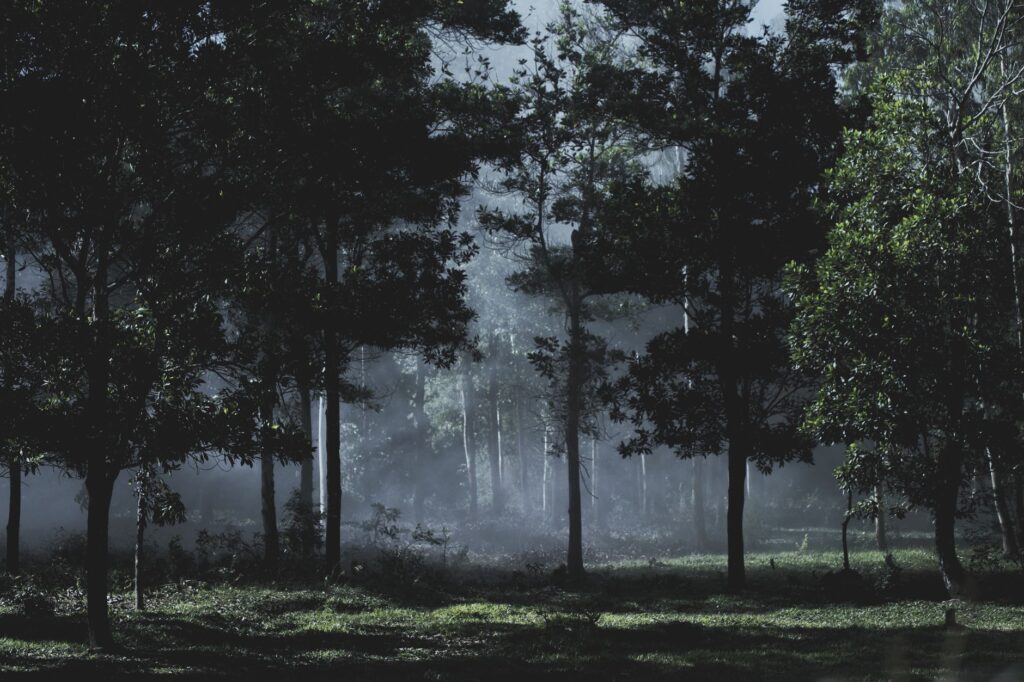
Hunters in Ghana's Akan-speaking forests are warned to watch the ground for footprints that point the wrong way. Whoever made them is said to be about one foot tall, to talk in whistles, and to want nothing to do with you unless you have been careless. That is the mmoatia (plural; the Akan name for the forest dwarfs of Ghana and Côte d'Ivoire), a small, ambiguous forest spirit that Akan storytellers have used for generations to explain why the bush is not empty. Some are said to be kind, some mischievous, some dangerous. English Wikipedia has no article on the mmoatia, even though the creature appears in a famous Anansi tale and in the writings of the anthropologist R. S. Rattray.
In the record
- R. S. Rattray, a British colonial anthropologist, published Ashanti (1923), Religion and Art in Ashanti (1927) and Akan-Ashanti Folk-Tales (1930), the main early written sources on Akan belief.
- Rattray recorded a version of the tale in which the sky god Nyame sets Anansi the task of capturing a mmoatia, among other creatures, in exchange for the world’s stories.
- Scholars of Akan religion describe the deep forest as the home of gods, mmoatia and Sasabonsam, feared by some as possible allies of witches (abayifo).
Not in the record
- That mmoatia stand roughly one foot tall and have feet that point backwards to confuse trackers.
- That they speak in whistles, vanish at will, and teach chosen herbalists the secrets of medicinal plants.
- That they sort into black (harmless), white (playful) and red (troublesome) kinds, a classification found in modern retellings rather than in a cited field source.
What's Actually Verifiable
No one has ever documented a mmoatia, and no museum holds one. What exists is a written record of belief. Between 1923 and 1930 Rattray, working among the Asante of what was then the Gold Coast, wrote down Akan religious practice and folk stories in three books. His 1930 collection, Akan-Ashanti Folk-Tales, includes the story of how Anansi the spider bought the sky god's stories, and one of the prices Nyame names is a mmoatia, described in English as a dwarf or fairy. The task treats the creature as real enough to be dangerous and hard to catch, which tells us how the Akan storytellers thought about it.
Modern scholarship places the mmoatia in a wider map of the forest. Accounts of Akan religion describe priests of the abosom (gods) entering trance and wandering into the deep bush, where they meet gods, mmoatia, the forest monster Sasabonsam, and charms or medicines whose power could help or harm. Some of these beings were feared as partners of the abayifo, the witches. That is documented, in the sense that scholars wrote it down. Whether anyone ever met a mmoatia is a different question.
One family tradition shows how the idea worked in daily life. Nana Gyamanin Awere, hunting in the forest, is said to have found a drum resting on an asipim chair. Believing it belonged to the mmoatia, he fired his gun three times to announce himself, and when nobody came he carried it home. The family's deity later identified it as a tɔprɛ drum belonging to a king, and the family was told it must never touch the ground. The account is preserved in the history of the Akrafena, the Asante sword-bearers, and carries no date.
The Legend
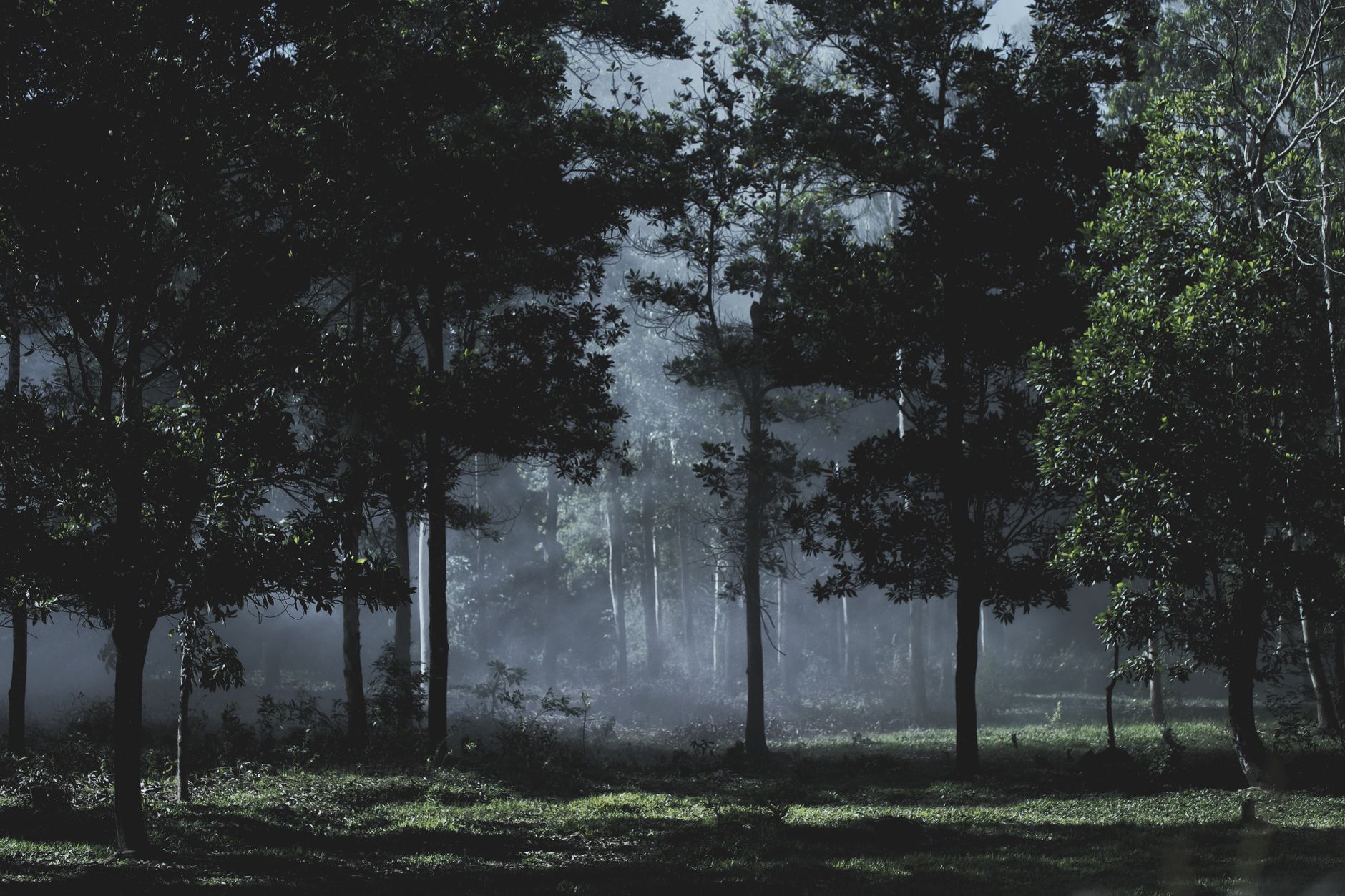
In the legend, the mmoatia are small people of the forest, often given as one foot tall, with human faces, curved noses and pale skin. Their feet point backwards, so a hunter who follows their tracks walks away from them. They whistle to each other instead of speaking, and they are said to live in the hollows of large trees. A mmoatia can turn invisible, and a person who sees one usually does so because the mmoatia wanted to be seen.
Their temper depends on who tells the story. Some versions make them guardians of the forest and of its plants: a gifted herbalist is said to have been taught by a mmoatia, which is why certain healing knowledge was never explained to outsiders. Other versions make them tricksters who mislead travellers, test visitors who enter the forest without respect, and punish rudeness with bad luck. Modern retellings split them by colour. Black mmoatia are harmless, white ones are playful, and red ones cause the most trouble. That sorting is common online but I could not trace it to a named field recording, so it belongs to the legend and not to the record.
The best-known story is the capture. Anansi builds a doll, coats it in sticky gum, and sets a plate of yams in its lap. A mmoatia arrives, eats the yams, and grows angry when the doll will not answer. She strikes it and sticks fast. Anansi collects her and delivers her to Nyame as part of the price for the stories. It is a close cousin of the tar-baby tale found across Africa and the Americas, and it is the version that carried the mmoatia furthest from the forest. For the spider's other adventures see Anansi.
Why It Still Gets Told
The mmoatia does a job for the people who tell about it. It explains why the forest is not simply empty land, why a hunter who strays too far should be careful, and why medicine knowledge came from somewhere other than a school. Rules of conduct are folded into the story: announce yourself, take nothing that is not yours, and do not follow tracks that seem to lead somewhere promising. The drum story shows the same instinct at work, a hunter fires his gun to be polite to something he cannot see.
It also has relatives. West African forest and bush spirits that sit between helpful and hostile appear across the region, such as the firefly spirit in Adze, the vampiric firefly of the Ewe. What sets the mmoatia apart is scale: it is the small one, the one you may not notice until you have already offended it.
Related: La Ciguapa: The Backward-Footed Woman of the Dominican Mountains, More African folklore and urban legends.
Frequently Asked Questions
What is a mmoatia?
A mmoatia is a small forest spirit in Akan folklore from Ghana and Côte d'Ivoire. It is usually described as about one foot tall, with backwards-pointing feet, and said to speak in whistles. Depending on the story it helps, teases, or punishes people who enter the forest carelessly.
What does mmoatia mean?
Mmoatia is the Akan (Twi) word used for the dwarfs or little people of the forest. English writers also call them dwarfs, elves or fairies. The spelling varies, and some sources write mmoetia.
Why do mmoatia have backwards feet?
In the legend, the reversed feet mislead anyone who tries to follow their tracks, since the prints point away from where the mmoatia actually went. It is a motif of the folklore, and no written source ties it to a specific event.
Who wrote down the mmoatia stories?
R. S. Rattray, a British anthropologist, recorded Akan stories and religion in the 1920s and published Akan-Ashanti Folk-Tales in 1930. That book includes the tale of Anansi capturing a mmoatia, and it is the usual starting point for outside writers.
How does Anansi catch the mmoatia?
Anansi makes a doll, covers it in gum, and puts yams in its lap. The mmoatia eats the yams, gets angry when the doll does not respond, hits it, and gets stuck. Anansi hands her to the sky god Nyame as part of the price for the stories.
Is the mmoatia dangerous?
Accounts disagree. Some describe helpful guardians who teach herbalists, others describe tricksters or troublemakers. Scholars note that forest beings including mmoatia were feared by some as allies of witches, so caution rather than hostility is the usual message.
Does the mmoatia have an English Wikipedia page?
No. As of 2 October 2026, searching English Wikipedia for the title Mmoatia returns no article, only passing mentions in pages on Anansi, Akan religion and the tar-baby tale.