
This article contains affiliate links. If you buy through them, we may earn a commission at no extra cost to you.
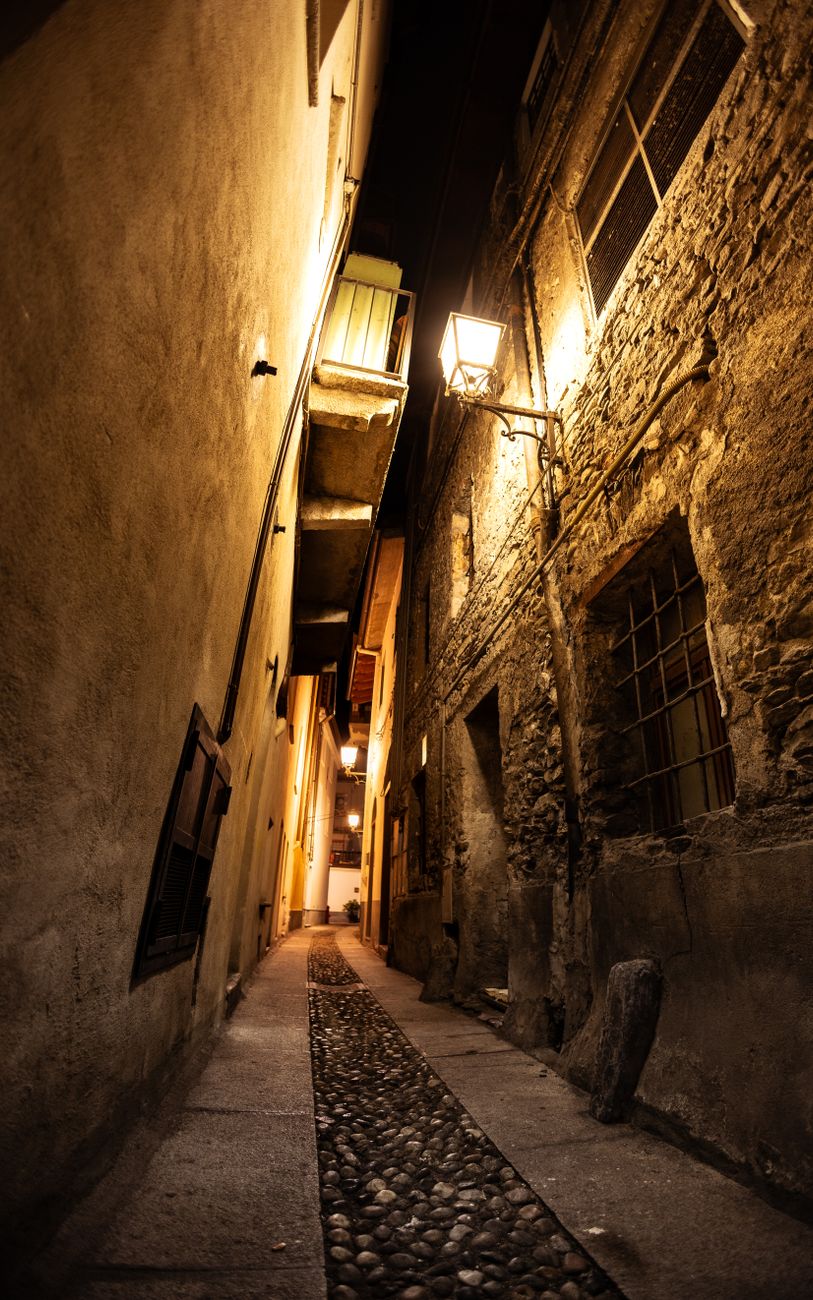
The nurikabe most people picture — a broad, grey, faintly comical wall with stubby limbs and tired eyes — has a face. The original nurikabe has no face at all. It cannot be seen, only walked into.
That gap between the folkloric original and the modern cartoon version is one of the clearest examples in Japanese yokai of a single creator reshaping a regional belief for a national audience, a pattern this site also traces in our Japanese Yokai & Urban Legends guide and in the kappa's parallel journey from local water-hazard warning to friendly mascot.
Where the belief comes from
The nurikabe's documented origin is specific and local: the folklorist Yanagita Kunio recorded it in Yokai Dangi (Discussions of Yokai) as a belief tied to the Onga district of Chikuzen Province — present-day Fukuoka Prefecture, on the island of Kyushu. Most surviving accounts of the phenomenon, and the closely related legends collected under different names, come from Kyushu specifically, particularly Fukuoka and Oita prefectures, rather than being reported nationwide.
Before Yanagita's early-20th-century fieldwork, the belief circulated only in local oral tradition. He is the reason it exists in the written record at all — the same role he played for many yokai now considered part of the wider national canon, having gone to specific villages and recorded what residents actually described rather than working from earlier written sources.
What the belief actually describes
The core account is austere compared to most yokai stories: a traveler walking a coastal path or narrow road at night suddenly cannot go forward. There is nothing visible ahead — no gate, no rockfall, no figure — but an invisible wall blocks the way regardless of how far the traveler tries to go around it. Descriptions describe it as tall enough that climbing over is not an option and wide enough that walking around does no good either.
The folk countermeasure recorded alongside the belief is specific: striking low, near the ground, with a stick is said to make the wall vanish, while striking higher does nothing. That detail — a barrier defeated only by hitting a particular point near its base — is characteristic of the practical, almost procedural folk knowledge that accompanies many Japanese yokai, in the same register as the kappa's water-dish weakness.
Mizuki Shigeru's redesign
The nurikabe most people now recognize — grey, wall-shaped, with a face, arms, and legs — comes from the manga artist Mizuki Shigeru, whose long-running GeGeGe no Kitaro series gave a huge number of yokai their modern, mass-market visual form starting in 1960. Mizuki gave the nurikabe a body and a personality where the folkloric original had neither; some accounts trace his specific inspiration to an unrelated wartime experience of an inexplicable, wall-like obstruction he described encountering in New Guinea, later folded into his nurikabe design.
The two versions are not really the same character wearing different outfits. The folkloric nurikabe is a hazard — an unexplained obstruction a traveler needs a countermeasure for. Mizuki's nurikabe is a character, with a face and a place in an ensemble cast. Both are legitimate parts of the creature's history; they simply belong to different centuries and different purposes.
What is actually verifiable
What is documented: Yanagita Kunio's recording of the belief in Yokai Dangi, its specific attachment to the Onga district of Fukuoka Prefecture, and Mizuki Shigeru's role in creating the now-standard visual character starting in 1960. What is not independently verified: any specific incident of a traveler encountering the wall, and the New Guinea origin story sometimes attached to Mizuki's design, which circulates as biographical anecdote rather than a documented account we could independently confirm.
Frequently Asked Questions
What does “nurikabe” mean?
The name translates roughly to “plastered wall” or “painted wall,” describing the smooth, blank barrier the legend describes.
Where did the nurikabe legend originate?
It was recorded by folklorist Yanagita Kunio in Yokai Dangi as a belief from the Onga district of Chikuzen Province, present-day Fukuoka Prefecture, on Kyushu. Most historical accounts are concentrated in Kyushu rather than nationwide.
How is the invisible wall said to be defeated?
Folk tradition holds that striking the wall low, near the ground, with a stick makes it disappear, while striking it higher has no effect.
Did the nurikabe originally have a face and body, like in modern illustrations?
No. The folkloric original is described as invisible and has no reported physical form beyond being an impassable barrier. The grey, faced, limbed design most people know today was created by manga artist Mizuki Shigeru for his series GeGeGe no Kitaro, starting in 1960.
Is the nurikabe a nationwide Japanese belief or a regional one?
It is regional. The documented accounts concentrate in Kyushu, particularly Fukuoka and Oita prefectures, and the creature only entered wider national awareness after Yanagita's academic recording and, decades later, Mizuki's popular redesign.
Learn More
- The Book of Yokai by Michael Dylan Foster
- GeGeGe no Kitaro by Mizuki Shigeru
- Books on Japanese yokai and folklore
As an Amazon Associate, this site earns from qualifying purchases.

Comments