This article contains affiliate links. If you buy through them, we may earn a commission at no extra cost to you.
Long before Baba Yaga appeared as a fairy-tale villain in modern picture books, Slavic peoples across what is now Russia, Ukraine, Belarus, and Poland told stories of an old woman living deep in the forest whose hut stood and turned on a pair of giant chicken legs. That single, strange detail — a house that walks — is one of the clearest signals that Baba Yaga descends from something older and stranger than a simple children's story villain: most scholars trace her back to pre-Christian Slavic belief, making her one of the oldest continuously told figures in European folklore.
The Legend
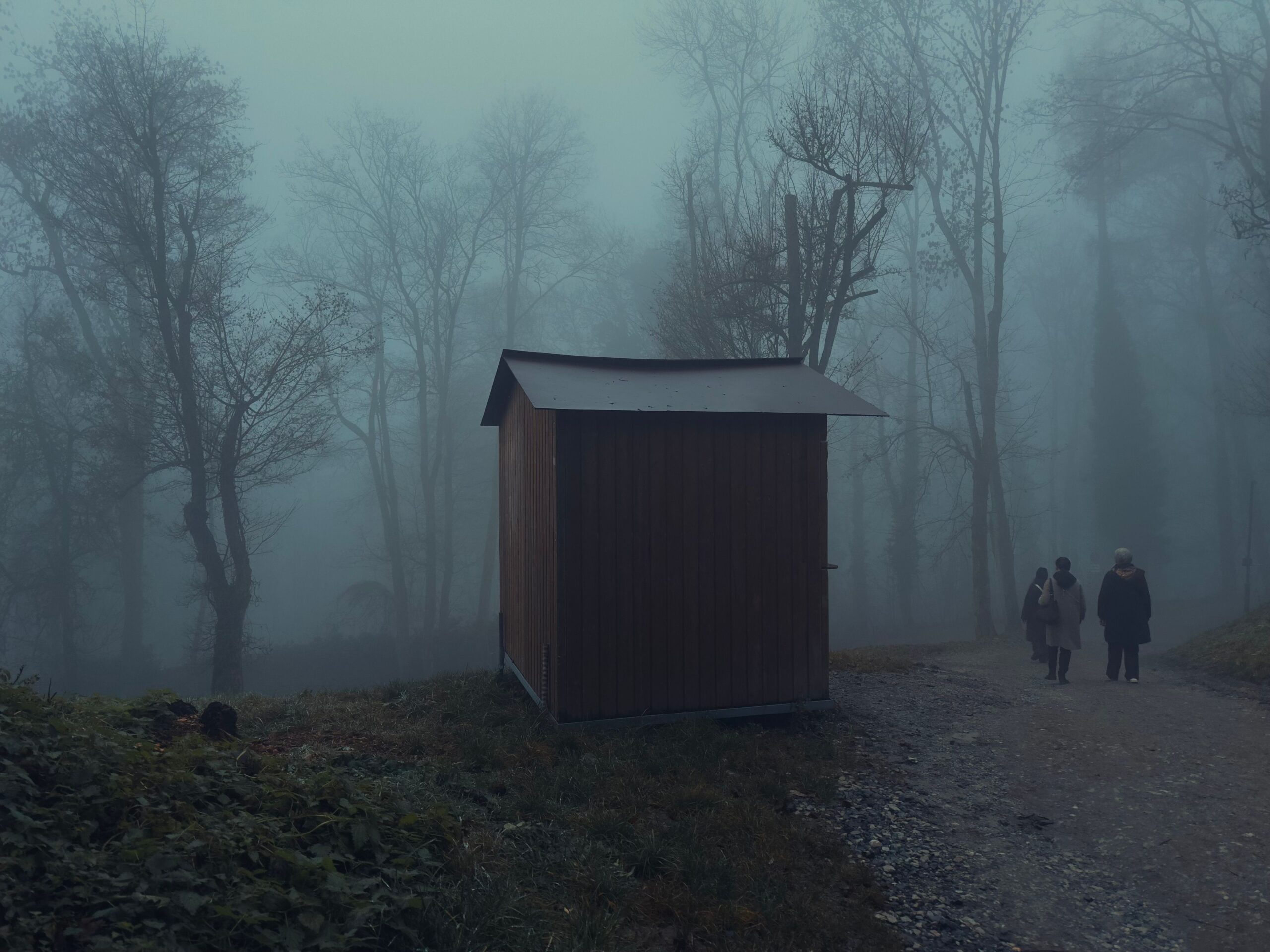
In the huge body of traditional Slavic tales collected by 19th-century folklorists, Baba Yaga is consistently described as an old woman — “baba” meaning “grandmother” or “old woman” in Slavic languages — who lives alone in a hut deep in the forest, one that stands on chicken legs and is often said to be surrounded by a fence made of human bones, topped with skulls that glow at night. She travels by flying through the air in a giant mortar, using the pestle to steer or propel herself, and sweeping away her tracks with a broom. Her role in stories is genuinely dual: in many tales she is a monstrous figure who threatens to eat children or unwary travelers, most famously in the story of Vasilisa the Beautiful, while in others she serves as a difficult but ultimately fair helper, testing a hero with impossible chores before rewarding them with wisdom or magical aid.
The exact meaning of “Yaga” is not settled among linguists — proposed roots include Proto-Slavic words connected to horror, illness, anger, or serpents, but we could not verify a single agreed-upon etymology beyond this range of scholarly proposals. What is far better documented is her structural role in Slavic tales: folklorists studying the Russian fairy-tale corpus, notably Vladimir Propp in his influential 20th-century structural analysis, identified Baba Yaga as an example of a recurring “donor” or threshold-guardian figure — a character standing at the boundary between the ordinary world and a magical one, who must be satisfied or outwitted before the hero can proceed.
Verified History: A Documented Literary Presence
Baba Yaga is not a fringe or obscure legend; she is one of the most thoroughly documented figures in the written record of Slavic folklore. She appears across generations of collected oral tales published by 19th-century folklorists such as Alexander Afanasyev, whose collections of Russian fairy tales remain a primary written source for her stories today. From there, she moved into literary and high-art culture: she appears in the work of major Russian writers including Alexander Pushkin, and she was memorably set to music by composer Modest Mussorgsky in "The Hut on Fowl's Legs," part of his 1874 suite Pictures at an Exhibition — a documented, dated point where the folklore crossed into classical concert music.
One specific structural detail — the chicken-leg hut — has a proposed real-world cultural root: some folklorists connect it to an actual historical Slavic funerary custom among certain northern tribes, in which the dead were placed in small huts built on tall posts or stumps above the ground rather than buried underground, a practical response to permafrost and difficult digging conditions in northern forests. This is presented by folklorists as a plausible cultural origin for the image, not a confirmed, universally agreed-upon fact — we could not verify a single documented historical link connecting a specific burial site directly to the earliest telling of the tale.
What's Actually Verifiable
What's solidly documented: Baba Yaga's presence across centuries of Slavic oral tradition, her extensive appearance in the written folklore record starting in the 19th century, and her migration into major literary and musical works with clear, dated attribution. What is not verifiable, and was likely never intended to be taken literally by the tradition itself, is Baba Yaga as a historical person or literal supernatural being; like most European folkloric witches, she functions as a moral and narrative device — testing heroes, embodying the dangerous unknown of the deep forest, and marking the boundary between safety and the wild.
Related: More Slavic and Eastern European folklore.
Frequently Asked Questions
Is Baba Yaga always evil in the original folklore?
No — this is one of the more consistently documented aspects of her stories. Depending on the tale, she is either a monstrous threat or a stern-but-fair helper who tests the hero, and both versions appear widely across the traditional Slavic tale corpus.
Where does the chicken-legged hut come from?
Folklorists propose it may relate to an actual historical Slavic practice of building above-ground funerary huts on posts in regions where the ground was difficult to dig, though this remains a scholarly proposal rather than a single confirmed origin.
Who first wrote Baba Yaga's stories down?
Her tales were most influentially compiled in the 19th century by folklorist Alexander Afanasyev, whose published collections of Russian fairy tales remain a key documented written source today.
Has Baba Yaga appeared outside of folk tales?
Yes — she appears in the work of major Russian literary figures like Alexander Pushkin, and composer Modest Mussorgsky depicted her in his 1874 orchestral suite Pictures at an Exhibition.
Is Baba Yaga connected to any real historical person?
No documented evidence connects her to a specific historical individual; she is understood by folklorists as a mythological and narrative figure rather than a legend rooted in one real person's life.
Ghost-Hunting Gear & Further Reading
- Collections of Russian and Slavic fairy tales, including Afanasyev's classic anthology
- Books on Slavic mythology and folklore
As an Amazon Associate, this site earns from qualifying purchases.
Related Legends
Baba Yaga belongs to a much wider world of European folklore — see our piece on the walking dead of Norse legend, the draugr, and Ireland's own death-omen spirit, the banshee. For more, browse our guide to ghost stories from around the world. Central Europe has its own legend built around a real historical figure — read our fact-vs-legend breakdown of The Golem of Prague.