
This article contains affiliate links. If you buy through them, we may earn a commission at no extra cost to you.
The Old Yura Tunnel is a former stretch of National Route 42 connecting Yura and Hidaka in central Wakayama Prefecture, superseded by a newer tunnel on the realigned modern highway.
- What the tunnel actually is
- What locals say
- The “Officer Who Died on Duty” Story Template
- Part of a Wider Pattern: Haunted Tunnels Across Japan
- Frequently Asked Questions
- Did a police officer really die near the Old Yura Tunnel?
- Can you still drive through the Old Yura Tunnel?
- When was the tunnel built?
- What does the tunnel actually look like inside?
- What replaced the Old Yura Tunnel?
- Why are so many tunnels in Japan considered haunted?
- Is Japan considered a haunted country?
- What makes an abandoned tunnel a likely setting for a ghost story in Japan?
- Related Stories
What the tunnel actually is
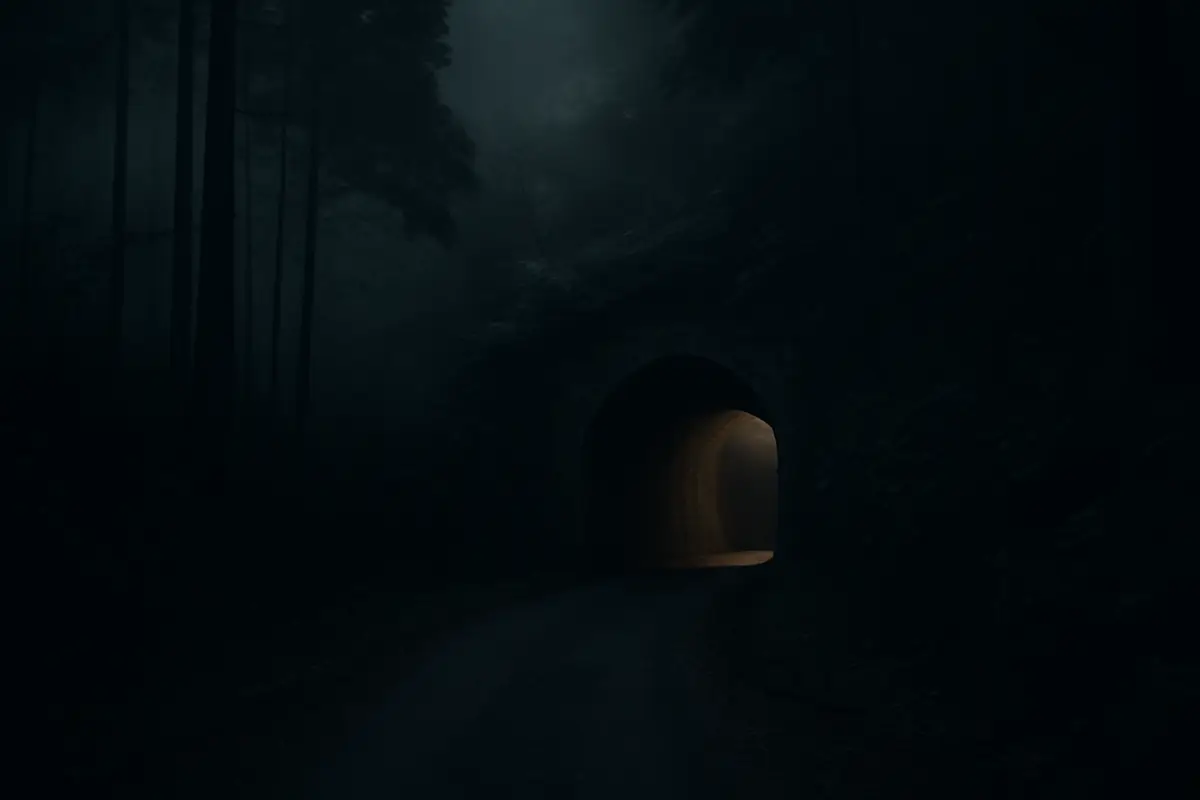
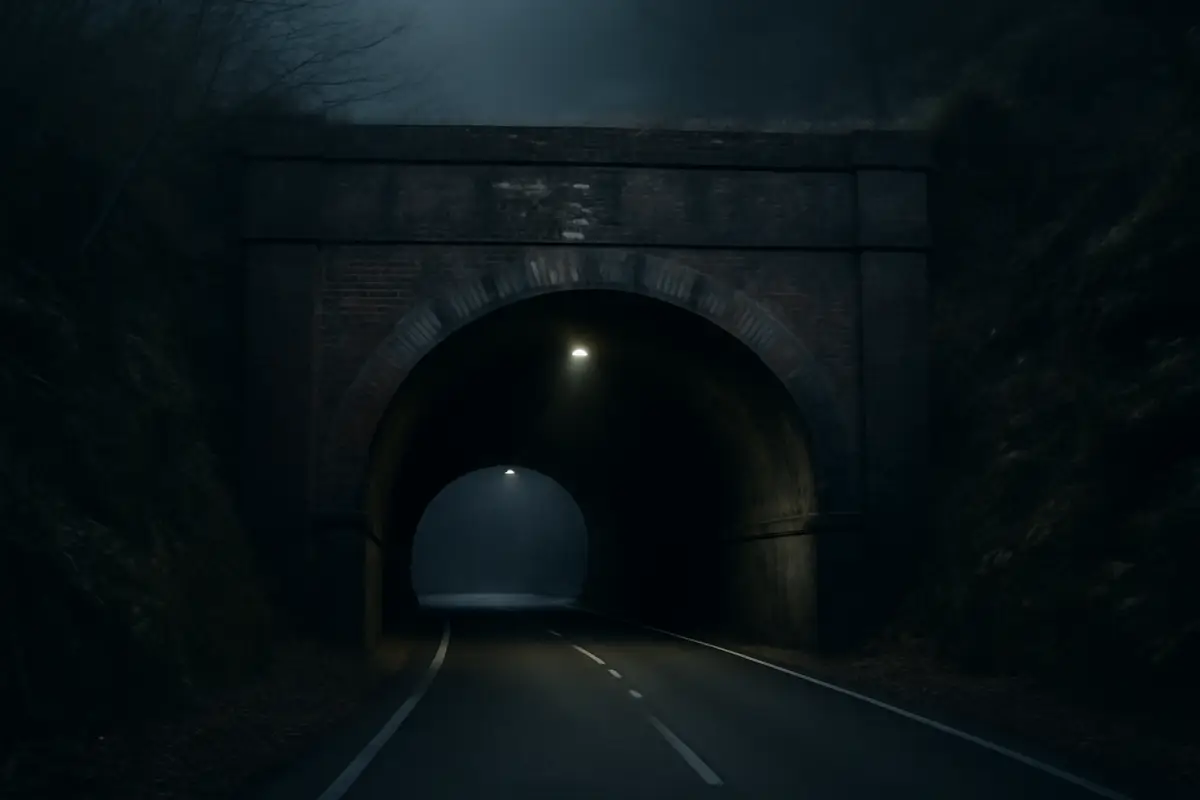
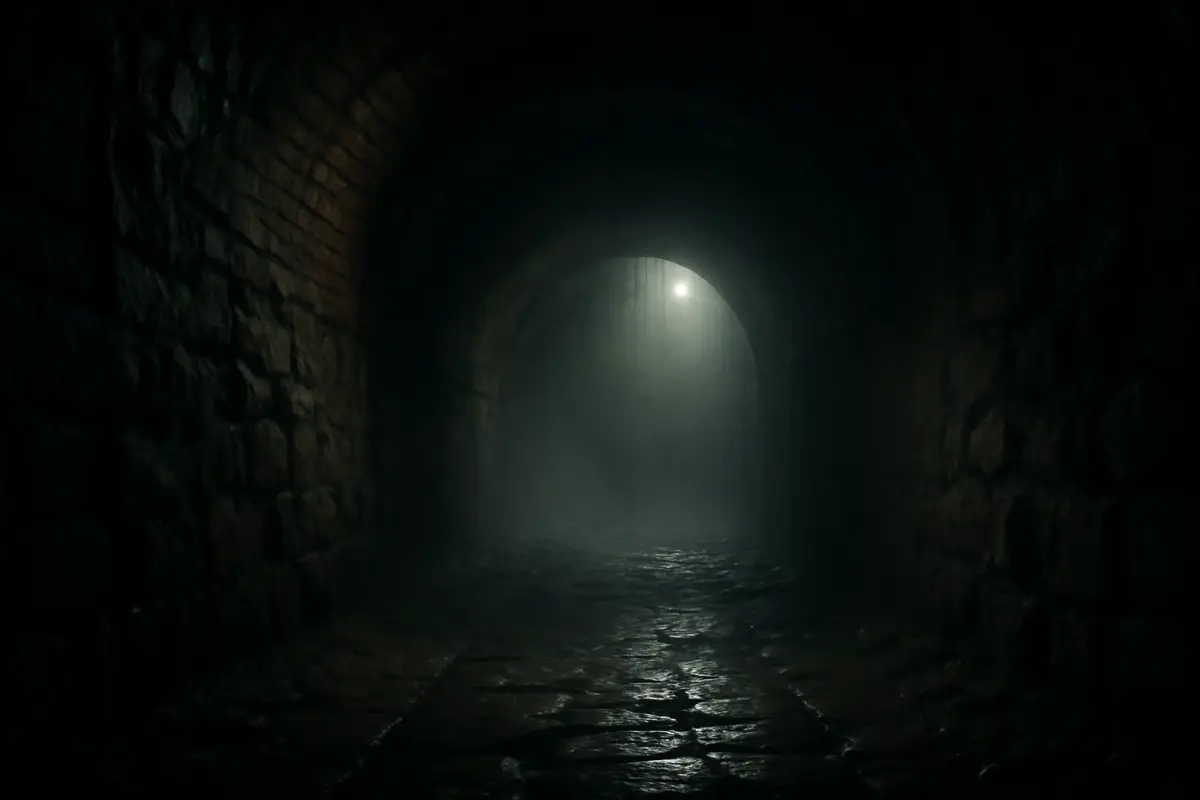
The tunnel is built in mixed style — part brick-lined, part unlined bored rock. Visitors consistently describe it as unlit, with water dripping steadily and pooling on the roadway. We could not independently verify an exact construction date from primary sources.
What locals say
The most repeated story is of a “headless rider” — the ghost of a motorcycle police officer said to have died in a crash near the tunnel, riding through at night without a head. A second story describes a woman in white, and a phantom car that vanishes just before a head-on collision.
We could not verify the police-officer death or any specific traffic fatality through records available. The “officer who died on duty” motif recurs across multiple unrelated Japanese tunnel legends, suggesting a common narrative template rather than a site-specific event.
Can you visit: Yes — an accessible, driveable tunnel on a lightly used public road, though unlit and wet inside.
The “Officer Who Died on Duty” Story Template
A headless motorcycle officer, a phantom vehicle, a vanishing figure just before a collision — these motifs repeat across unrelated Japanese tunnel and highway legends far too often to trace to one real death each time. The pattern suggests a shared narrative template built around genuine anxieties about isolated, unlit roads, rather than a documented event unique to the Old Yura Tunnel.
Part of a Wider Pattern: Haunted Tunnels Across Japan
Old Yura Tunnel (旧由良トンネル), Wakayama Prefecture is one of dozens of similar sites documented across this site, and it fits a recognizable pattern rather than standing alone. Roughly three-quarters of Japan’s land area is mountainous, which has required over a century of tunnel construction, and older bores are typically sealed or abandoned rather than demolished once a wider, better-lit replacement opens nearby. Those abandoned alignments — not the tunnels still in daily use — are where the folklore tends to concentrate: narrow, unlit, and left to decay in a way that reads as ominous even when the underlying cause is a routine highway upgrade. Japan’s long kaidan (ghost story) storytelling tradition, which attaches spirits to liminal spaces such as tunnels, bridges, and mountain passes, gives these sites a ready-made narrative frame.
Frequently Asked Questions
Did a police officer really die near the Old Yura Tunnel?
We found no records confirming this. The “officer who died on duty” motif recurs across multiple unrelated Japanese tunnel legends, suggesting a common story template rather than a verified local event.
Can you still drive through the Old Yura Tunnel?
Yes — it’s an accessible, driveable tunnel on a lightly used public road, though unlit and prone to standing water inside.
When was the tunnel built?
We could not independently verify an exact construction date from primary sources — the tunnel predates the modern realigned Route 42 that eventually superseded it.
What does the tunnel actually look like inside?
Mixed construction, part brick-lined and part unlined bored rock, consistently described by visitors as unlit with water dripping steadily and pooling on the roadway — a genuinely atmospheric physical space independent of any ghost claim, and one reason the site photographs so well for visitors chasing the atmosphere rather than the specific legend of a headless rider.
What replaced the Old Yura Tunnel?
A newer tunnel on the realigned, modern stretch of National Route 42 — ordinary highway modernization, the same kind of routine upgrade behind many of the “former” and “old” tunnels covered on this site.
Why are so many tunnels in Japan considered haunted?
Japan’s mountainous terrain (roughly three-quarters of the country) has required over a century of tunnel construction, and old bores are typically abandoned rather than removed once a newer route opens nearby. Combined with a long kaidan (ghost story) tradition of attaching spirits to liminal spaces, these abandoned tunnels became natural settings for local ghost stories.
Is Japan considered a haunted country?
Japan has one of the world’s richest documented traditions of ghost stories and haunted-location folklore, built up over centuries through kaidan storytelling, yokai folklore, and site-specific legends attached to tunnels, forests, and other liminal places. That reflects a deep cultural and narrative tradition — not a verifiable claim about supernatural activity.
What makes an abandoned tunnel a likely setting for a ghost story in Japan?
Age, disuse, and physical decay do most of the work: a dark, damp, overgrown structure that once carried traffic and now carries none reads as unsettling on its own, independent of any specific incident. As with Old Yura Tunnel (旧由良トンネル), Wakayama Prefecture, the underlying history is often more mundane — a routine bypass or road realignment — than the legend suggests.
As an Amazon Associate, this site earns from qualifying purchases.