This article contains affiliate links. If you buy through them, we may earn a commission at no extra cost to you.
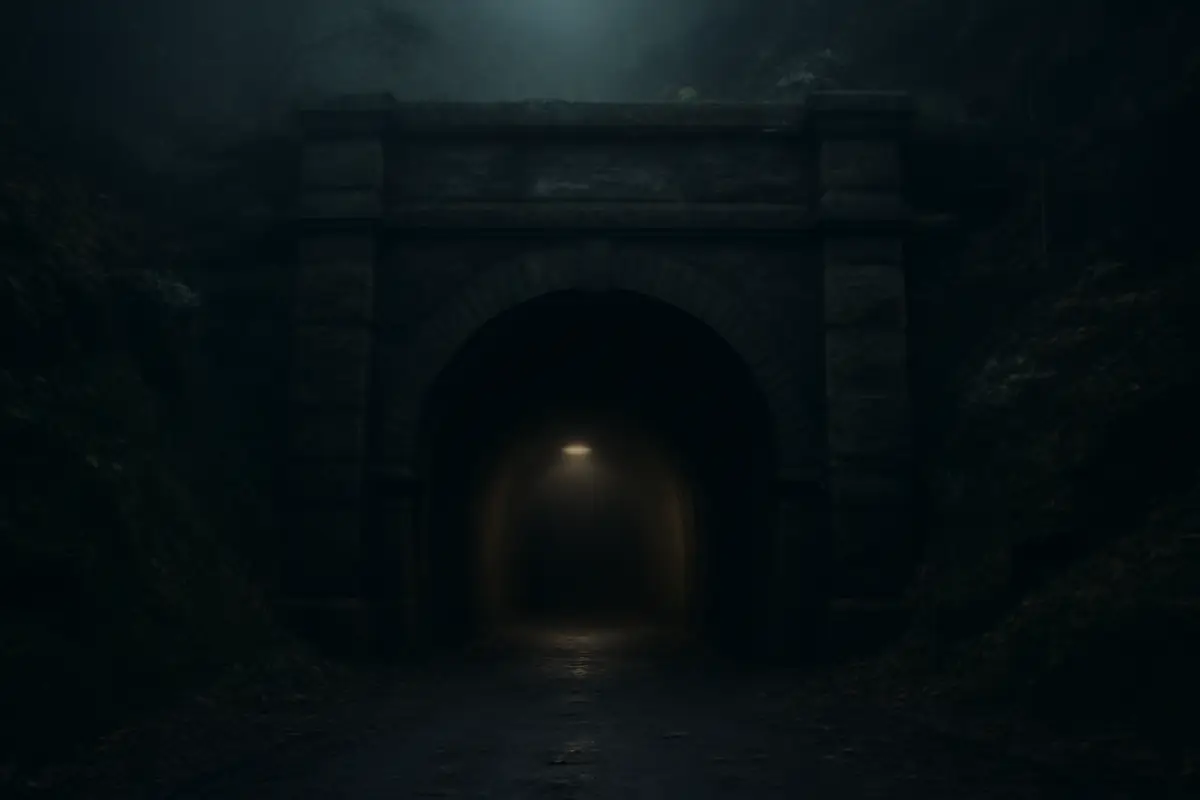
The Utsunoya Tunnels (宇津ノ谷トンネル) sit at the Utsunoya Pass on the old Tōkaidō route between Okabe and Shizuoka City in Shizuoka Prefecture. Unusually for a “haunted tunnel” story, this one comes with real, checkable history — four separate tunnels, one from each of four eras, still stand side by side at the pass: Meiji, Taishō, Shōwa, and Heisei.
The documented history
The Meiji-era tunnel was excavated starting in 1874 and opened in 1876, reportedly built with the labor of more than 150,000 workers. It is generally cited as Japan's first toll road tunnel. In 1896 (Meiji 29), a fire believed to have started from an interior lighting lantern caused part of the tunnel to collapse. The tunnel was closed for roughly eight years and reopened in 1904. That restored Meiji-era Utsunoya Tunnel survives today as a registered cultural property.
The ghost legend
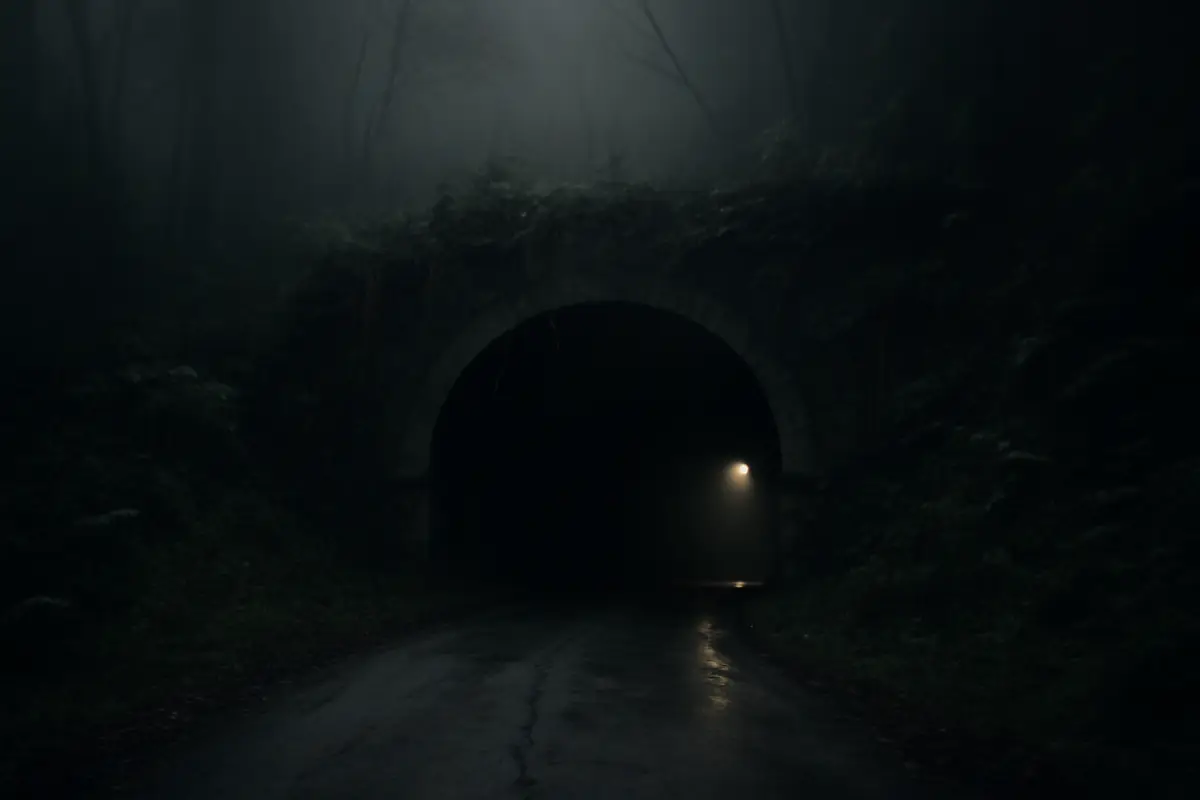
Local ghost-story sites describe visitors and drivers reporting a woman's laughter echoing inside the Meiji-era Utsunoya Tunnel, disembodied voices, and unexplained fireball-like lights (hitodama). Some accounts tie this to the 1896 fire, on the theory that workers died in the collapse.
We could not verify a specific death toll from the 1896 fire. No source cites a casualty count or named victims, and there is no memorial near the tunnel commemorating deaths — unusual if a significant number of workers had died. This is a case where the Utsunoya Tunnel's dramatic, well-documented history is real, but the specific “workers died here” claim is folklore layered onto it.
The nearby Nihonzaka Tunnel on the Tōmei Expressway was the site of a genuine, well-documented 1979 fire disaster with confirmed fatalities, and is sometimes confused with the Utsunoya Tunnel in secondhand retellings.
Can you visit: Yes. The Meiji Tunnel is open to pedestrians and permitted vehicles as part of a maintained historic route.
Four Eras, One Pass: What Makes Utsunoya Unusual
Few “haunted tunnel” sites in Japan let you physically stand next to four successive generations of the same crossing the way the Utsunoya Tunnel complex does — Meiji, Taishō, Shōwa, and Heisei tunnels side by side at the same pass. That density of verifiable engineering history is part of why this entry treats the supernatural claims with extra scrutiny: when so much about a site is genuinely documented, the parts that aren’t documented stand out more clearly as folklore rather than fact.
Frequently Asked Questions
Did workers die building the Meiji Tunnel at Utsunoya?
We could not verify a specific death toll from the 1896 fire that partially collapsed the tunnel — no source cites a casualty count or named victims, and there’s no memorial near the site, which would be unusual if a significant number had died.
Is Utsunoya Tunnel the same as Nihonzaka Tunnel?
No — they’re often confused in secondhand retellings, but Nihonzaka Tunnel on the Tōmei Expressway is a separate site with its own genuine, well-documented 1979 fire disaster and confirmed fatalities.
Can you still walk through the historic Meiji Tunnel?
Yes — it’s open to pedestrians and permitted vehicles as part of a maintained historic route, and survives today as a registered cultural property.
As an Amazon Associate, this site earns from qualifying purchases.
Comments