This article contains affiliate links. If you buy through them, we may earn a commission at no extra cost to you.
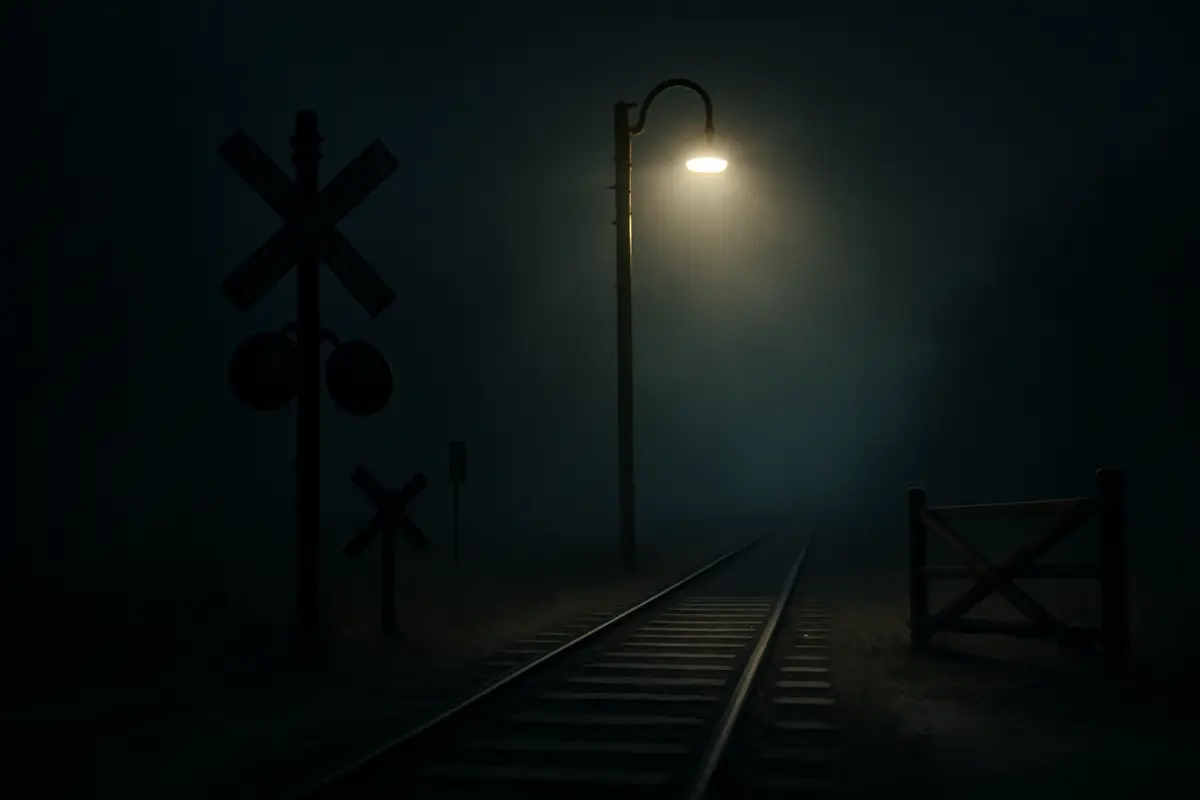
Level crossings are dangerous places: trains, darkness, and heavy foot traffic are a bad mix. In Dhaka's Moghbazar area, one crossing has become the setting for one of Bangladesh's most repeated ghost stories, about a grieving woman said to appear by the tracks searching for her lost child.
The Real History
Purbo Nayatola (East Nayatola) lies in the Moghbazar area of central Dhaka, a dense neighborhood near Tejgaon, Malibagh, and Ramna. The main rail line running north from Kamalapur station cuts through this part of the city at street level, and its crossings at Moghbazar and nearby Malibagh carry constant traffic of pedestrians, rickshaws, buses, and trucks. Dhaka's rail corridors date back to the colonial period, long before the city grew into the megacity around them.
The danger is documented. Bangladeshi newspapers have reported repeated accidents at the Moghbazar level crossing: a stalled truck hit by two trains in succession, which halted rail traffic for more than two hours, and pedestrians killed while crossing the tracks. In 2009 a train struck a bus at Moghbazar when gatemen could not lower the barrier in heavy traffic, and a woman was killed. Across the country, the Railway Police count thousands of deaths at level crossings over the past decade.
What has not been documented is the specific story behind the ghost. No news report, government record, or historical source we found names a woman who lost a child at this crossing, or a death matching the legend. The crossing is real and genuinely dangerous; the tragic backstory should be treated as unverified local legend. Frequent real accidents along the line likely explain why stories like this one gather around crossings even without a single traceable incident behind them.
The Haunting
According to local legend, the crossing is haunted by a woman who lost her child near the tracks. The most repeated version involves a station master who meets a woman standing by the line late at night. When he asks why she is there, she says she is looking for her lost son, and then she vanishes.
The tellings disagree about how she died. Some say she took her own life after losing her child; others say a train killed her while she was searching for him. That kind of variation is typical of an oral legend still changing as it is retold. People who say they have visited at night, dawn, or dusk describe a feeling of dread, the sound of a woman crying or calling out, and warnings from locals not to linger near the crossing after dark.
Like many crossing ghost stories in Bangladesh, the legend also does practical work: it keeps people cautious around a piece of infrastructure where a moment of distraction can be fatal, whatever one believes about the supernatural part.
Can You Visit?
The crossing is a working, public level crossing that locals use every day. Because the line is active, visitors should take the same care as at any rail crossing, especially after dark, and never stand on or beside the tracks.
Frequently Asked Questions
Is Purbo Nayatola rail crossing a real place?
Yes. It is an active crossing in the Moghbazar area of Dhaka. What is unverified is the ghost story: no record confirms the woman-and-lost-child backstory.
What is the ghost said to look like or do?
Legend describes a woman by the tracks searching for her son, who sometimes speaks to passersby before disappearing. Accounts of how she died vary.
Is it dangerous to visit?
In a practical sense, yes. Moghbazar's crossing has a record of real accidents, so stay alert for trains and keep clear of the tracks, particularly at night.
Sources
- Truck hit by two trains at Moghbazar level crossing – The Daily Star
- Woman run over and killed by train in Moghbazar – The Financial Express
- Moghbazar – Wikipedia
- Kamalapur railway station – Wikipedia
As an Amazon Associate, this site earns from qualifying purchases.