This article contains affiliate links. If you buy through them, we may earn a commission at no extra cost to you.
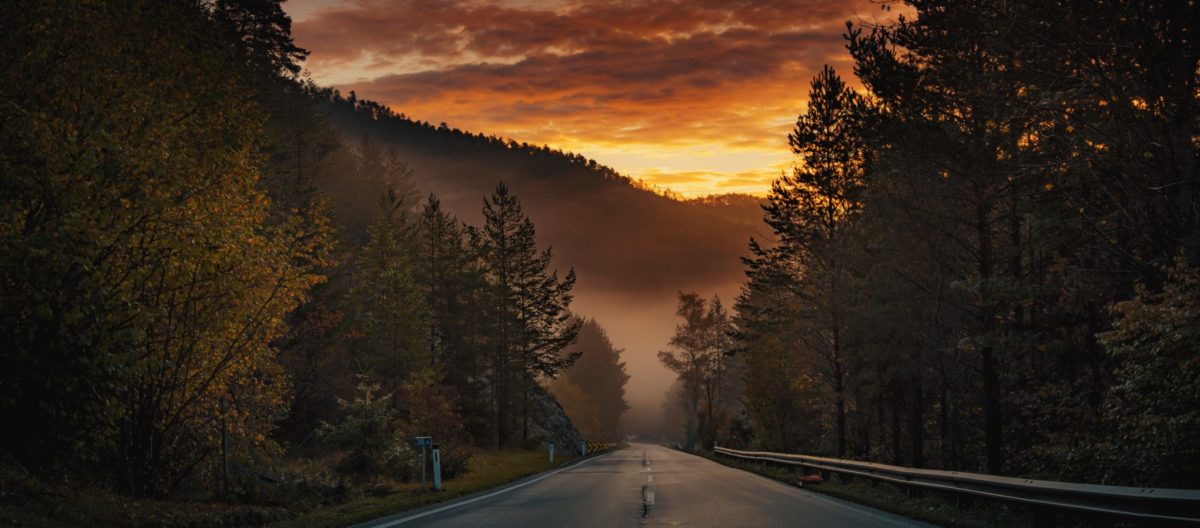
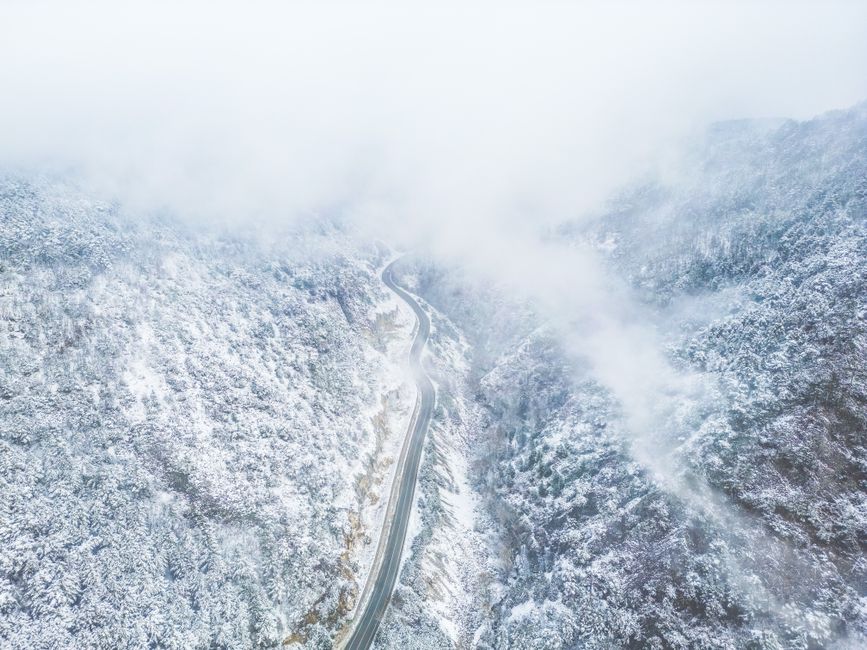
Between Toyama and the nearby village of Himi runs a road with a name that translates directly to its own grim history: Hakkotsu Jodo, or White Bone Road.
The Legend
According to local accounts, the road earned its name in the mid-1800s, when a troop of soldiers traveling on horseback from Toyama to Himi was forced onto a narrow, unfamiliar mountain detour by bad weather. Unfamiliar with the terrain, the group's horses panicked on the winding, tree-lined path, and the soldiers fell to their deaths from the cliff edge. Their remains, the story holds, were left scattered among the road for some time afterward — the origin of the road's name.
Travelers since have reported hearing cries in the night and glimpsing ghostly figures on horseback moving through the darkness along the same stretch. Local interpretation splits on what the spirits want: some believe they're searching for lost comrades from that night; others believe they're still seeking an explanation for their sudden deaths.
What's Actually Verifiable
We could not verify the specific mid-1800s accident against a documented historical record. What's worth noting is how directly the road's name functions as an oral historical marker — in a culture without written records for every rural accident, naming a location after what happened there was a common way of preserving a memory that might otherwise have been lost entirely, whether or not every specific detail of the retelling matches what actually occurred.
A Legend That Became a Tourist Draw
Unusually for a site built around a fatal accident, Hakkotsu Jodo has become a genuine local tourist attraction, with visitors specifically seeking out the eerie atmosphere described in the legend. Some report feeling scared or unsettled; others describe a more contemplative, peaceful reaction — a split in visitor experience this site has noted at other locations with similarly tragic origin stories.
A Legend Preserved by Its Own Name
Naming a road directly after the tragedy that occurred there — rather than giving it a neutral geographic label — is itself a form of preservation. Anyone hearing “White Bone Road” for the first time immediately knows something happened, even without the fuller story attached. That kind of built-in memorial naming appears elsewhere in Japanese folklore and functions as a low-effort way of keeping a memory alive across generations who might otherwise never hear the full account, since the road itself becomes a permanent, unavoidable reminder every time someone says its name aloud.
Can You Visit?
The road remains a functioning route between Toyama and Himi. Visitors drawn by the legend should treat the site with the same respect due any location tied to real, if unconfirmed, loss of life, alongside ordinary caution appropriate to a winding mountain road.
Ghost-Hunting Gear & Further Reading
As an Amazon Associate, this site earns from qualifying purchases.

Comments