This article contains affiliate links. If you buy through them, we may earn a commission at no extra cost to you.
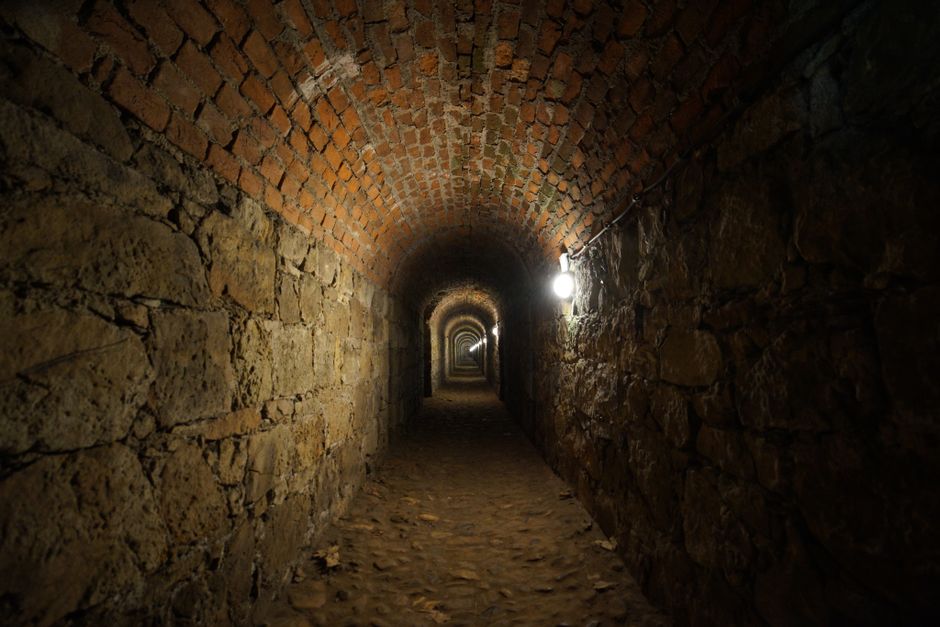
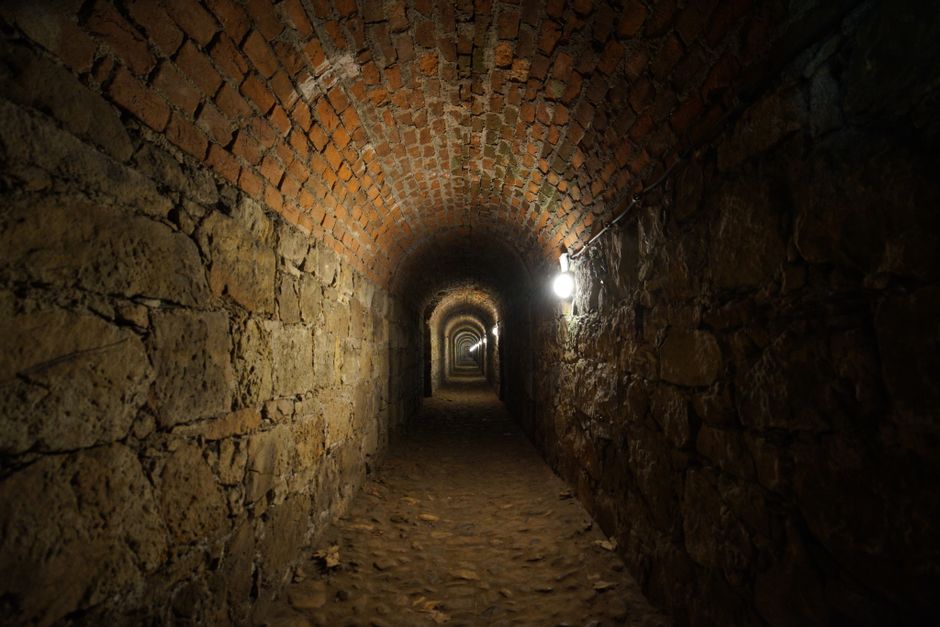
Paranormal sites in Ibaraki Prefecture know this tunnel in Oarai Town almost exclusively by a nickname: Heaven’s 51, painted somewhere near the entrance and repeated across the Japanese ghost-hunting sites that document it. The name has nothing to do with the wartime story most often attached to the tunnel — and that gap between name and legend turns out to be the most interesting thing about the place.
Two Ghost Stories, Bolted Together
The first story is a specific wartime claim: a group of Japanese soldiers, badly outnumbered late in the war, supposedly dug a tunnel beneath the sea in a desperate escape attempt, and a young soldier died in a fall during the digging. His ghost, the story goes, has stayed in the tunnel ever since.
Layered on top of that is a second, more modern story: a young woman entered the tunnel searching for the soldier’s ghost after her own father, a former soldier, had died a few months earlier. She never came back out.
Heaven’s 51 Isn’t a Wartime Name
Here is where the record and the legend diverge. Japanese sources documenting the site describe it as an unlit tunnel beneath a road overpass, surrounded by deciduous forest on a steep, dark path — consistently unsettling regardless of season — with small red torii gates near the entrance and larger ones further into the woods. Several of those same sources note that the torii were installed as an anti-littering measure, not for any religious or memorial purpose connected to a wartime death. The nickname “Heaven’s 51” likewise has no documented tie to the soldier story; it reads as a piece of found signage that stuck, the way plenty of Japanese haunted spots get named after graffiti or an old sign rather than their actual history.
None of that disproves the wartime tunnel-digging story outright. But it does mean the tunnel’s most visible identifying feature — the name everyone actually uses for it — isn’t evidence for the ghost story at all. It’s a separate, unrelated layer that happened to attach to the same physical location.
What’s Actually Verifiable
We could not verify the wartime tunnel-digging episode or the soldier’s death against any documented historical record. A claim this specific — Japanese soldiers digging an escape tunnel under the sea during active combat with American forces — would be expected to leave some independent trace if accurate, and we found none. The missing woman’s story is similarly unconfirmed. What we could confirm, from multiple independent Japanese-language sources describing the site directly, is the physical setting: the unlit forest tunnel, the torii gates, and their mundane anti-litter origin. Readers should treat the wartime and modern ghost stories as local legend, and treat the “Heaven’s 51” name as folklore trivia rather than a clue to either one.
Frequently Asked Questions
Did soldiers really dig an escape tunnel under the sea in WWII?
We could not verify this against any documented historical record. A claim this specific and significant would warrant strong sourcing before being treated as history, which we don’t have here.
Why is the tunnel called “Heaven’s 51”?
The name appears on signage near the entrance and is used consistently by Japanese sources documenting the site, but none of those sources tie it to the wartime story — it functions as an independent, unexplained nickname rather than evidence for the legend.
Ghost-Hunting Gear & Further Reading
- Books on Japanese WWII history and Pacific theater accounts
- Ibaraki Prefecture travel and history guides
As an Amazon Associate, this site earns from qualifying purchases.
Comments