
This article contains affiliate links. If you buy through them, we may earn a commission at no extra cost to you.
Correction: This article previously described three separate tragedies at Kurose Tunnel — a Meiji-era cart-accident landslide, a 1910 accident involving a seven-year-old girl, and the disappearance of a girl named Tomomi. We could not find any of those three stories repeated outside this site. What we did find is a different, and in some ways more concrete, account of what actually happened here.
Buried During Construction, Not on the Road
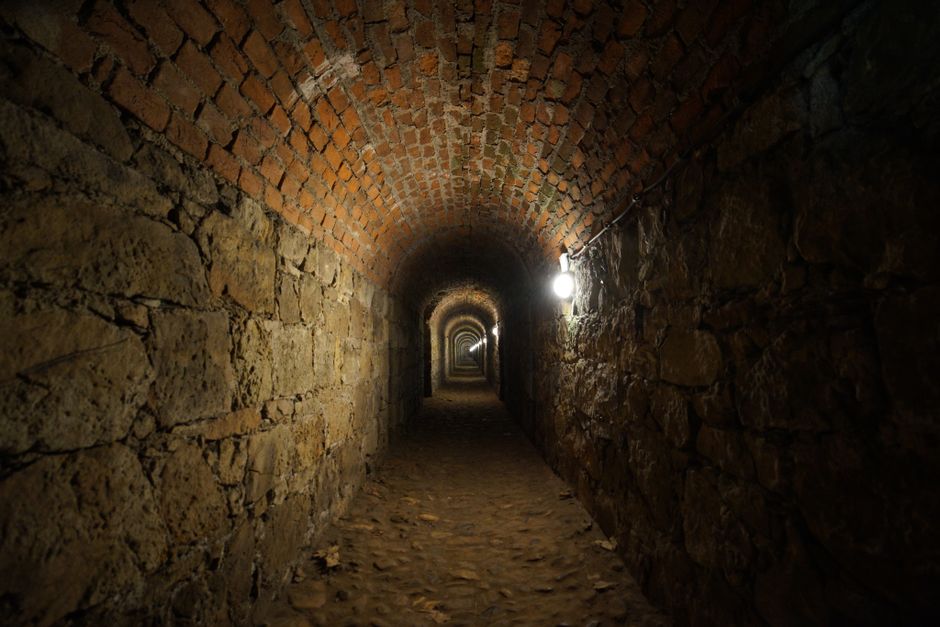
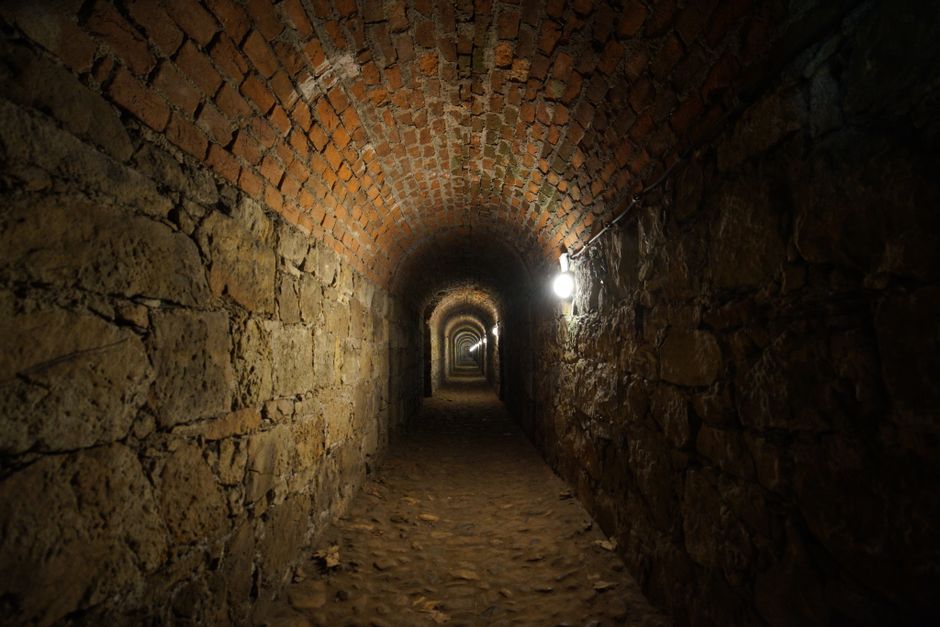
Kurose Tunnel — formerly the Old Nikyukyo (Second Gorge) Tunnel, near Kure — was cut through the mountainside during work on the nearby Niji Dam. According to locally documented accounts, a landslide struck while the tunnel was being dug, burying workers alive during construction itself, not travelers passing through afterward. A memorial monument was erected at the site for those killed. That distinction matters: this isn’t a legend about a cart accident on a finished road, but about a fatal accident during the tunnel’s own construction, with a physical memorial to show for it rather than an unattributed local rumor.
A Reputation Borrowed From the Dam Next Door
Much of Kurose Tunnel’s modern haunted reputation is tied to its neighbor rather than to the tunnel itself: Niji Dam, immediately nearby, has a long-standing local reputation for suicides. That association is often credited with why photographs taken at the tunnel are said to show orbs or other anomalies — the tunnel’s ghostly reputation appears to have absorbed the dam’s grimmer history by proximity, a pattern worth naming rather than presenting the tunnel’s haunting as self-contained. A cemetery situated above the old tunnel adds a further, more mundane source of unease that doesn’t require any specific ghost story to explain.
Can You Visit?
The tunnel entrance is now blocked, consistent with what the earlier version of this article reported, though some visitors describe accessing it from behind the blockage. Given the real construction-accident deaths tied to this site, the nearby dam’s history, and the physical risk of entering a sealed, unmaintained tunnel, this is not a site we’d recommend actually entering — the memorial and the story are worth knowing about without needing to go inside.
Frequently Asked Questions
Did a girl named Tomomi really disappear at Kurose Tunnel?
We found no source for that story outside this site and have removed it. The documented tragedy here is a landslide that buried workers during the tunnel’s construction, memorialized with a monument at the site.
Why is Kurose Tunnel considered so haunted?
Partly the construction-accident deaths, and partly its proximity to Niji Dam, which has its own long-standing reputation for suicides — a reputation that appears to have extended to the tunnel next door.
Ghost-Hunting Gear & Further Reading
- Books on Japanese haunted places and Meiji-era history
- Hiroshima Prefecture travel and history guides
As an Amazon Associate, this site earns from qualifying purchases.
Comments