This article contains affiliate links. If you buy through them, we may earn a commission at no extra cost to you.
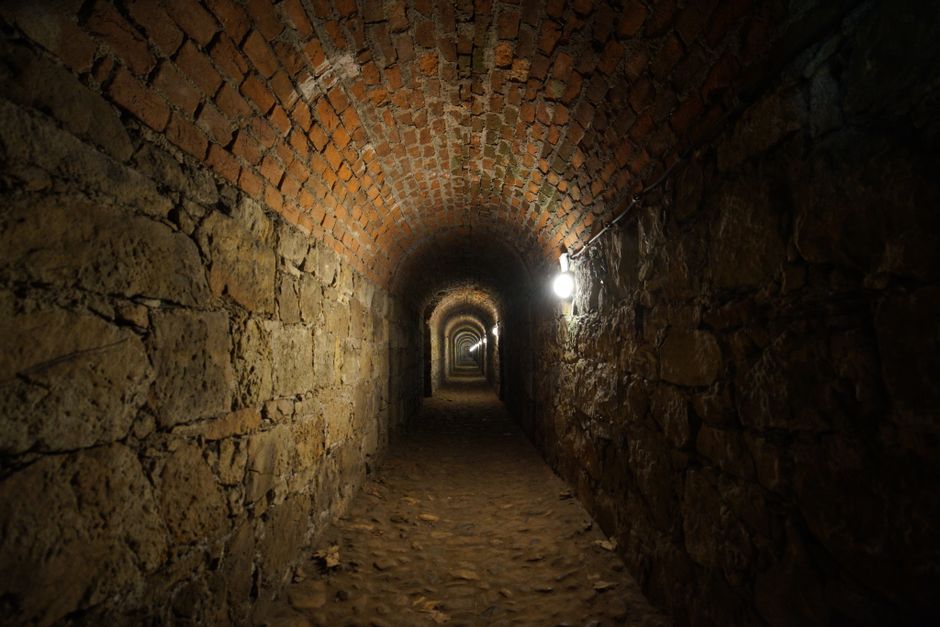
Connecting the villages of Omi and Kawanaka in Niigata Prefecture, Koseki Second Tunnel carries a haunting distinguished by an unusual claim: that the site was cursed before construction even began. We went looking for independent confirmation of the tunnel’s late-1800s construction date, the woman-in-white murder story, and the “built on sacred ground” claim, and came up empty — we could not locate this specific tunnel or its legend in any source outside this site.
Cursed Ground as a Different Kind of Claim
Most tunnel legends locate their haunting’s cause in an event that happened during or after construction — an accident, a death during digging, a wronged worker. A “cursed before it was built” framing works differently: it shifts responsibility away from anything the builders did and onto the land itself, removing any possibility of the haunting being someone’s fault, human error, or a preventable accident, and treating it instead as an unavoidable consequence of where the tunnel happened to be placed. That’s a structurally distinct kind of legend from most of what this site covers, whatever the truth of this specific account.
The Woman in White, and a Later Addition
The most consistently told story involves a woman in a white kimono, said locally to be the spirit of a young woman murdered at the site, appearing and disappearing to those passing through, with some accounts describing an invisible force pushing visitors back out — read locally as her continued search for justice. A separate, thinner thread describes a red-eyed, fanged creature in the tunnel’s shadows; its details are vague enough, and its connection to the woman’s story loose enough, that it reads as a later addition layered onto an existing legend rather than one that developed independently.
Can You Visit?
Koseki Second Tunnel remains part of the route between Omi and Kawanaka. We could not confirm any of the specific claims attached to it — the construction date, the murder, or the sacred-ground origin — so visitors should treat the legend as unverified local folklore and approach the tunnel itself with the ordinary caution due any older mountain passage.
Frequently Asked Questions
Was Koseki Tunnel really built on cursed or sacred ground?
We could not verify the murder behind the woman in white, or the claim that the tunnel was built on sacred ground, against any documented source, and could not locate independent coverage of this tunnel at all.
Is the red-eyed creature part of the original legend?
It reads as a later addition layered onto the woman-in-white story rather than an independently developed legend of its own.
Ghost-Hunting Gear & Further Reading
- Books on Japanese haunted places and cursed ground legends
- Niigata Prefecture travel and history guides
As an Amazon Associate, this site earns from qualifying purchases.
Comments