This article contains affiliate links. If you buy through them, we may earn a commission at no extra cost to you.
An earlier version of this article described a network of “8 tunnels” near Hachioji tied to two invented derailments — a November 1944 troop train claimed to have killed 500-800 people, and a September 1945 freight train claimed to have killed nearly 1,200. We could find no record of either event, and given the scale of the claims, that absence mattered enough that we went looking for what actually happened in this area during the war. What we found is a real, documented tragedy that deserves to be told accurately rather than folded into an invented ghost-train story.
What Actually Happened at Yunohana Tunnel
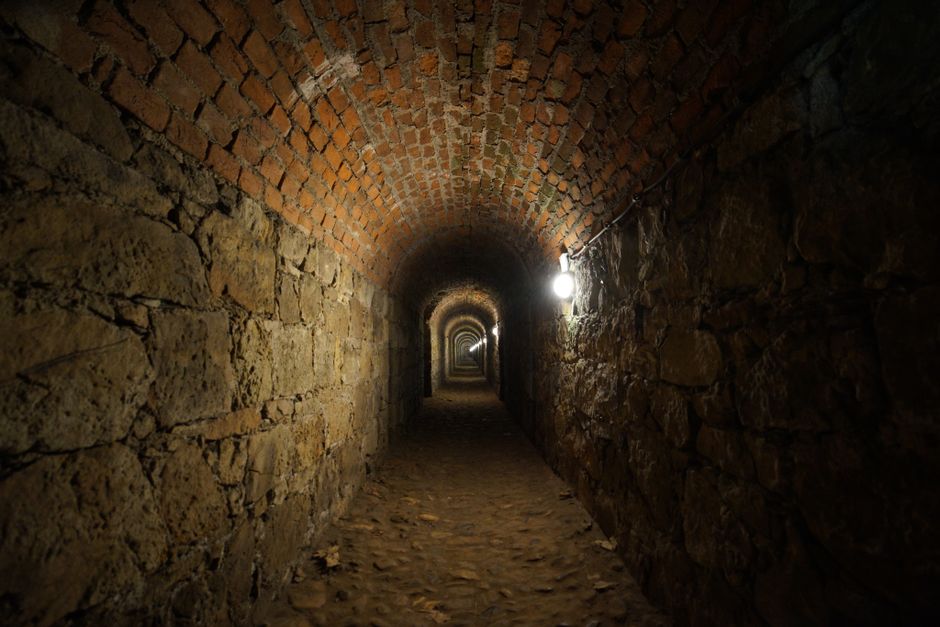
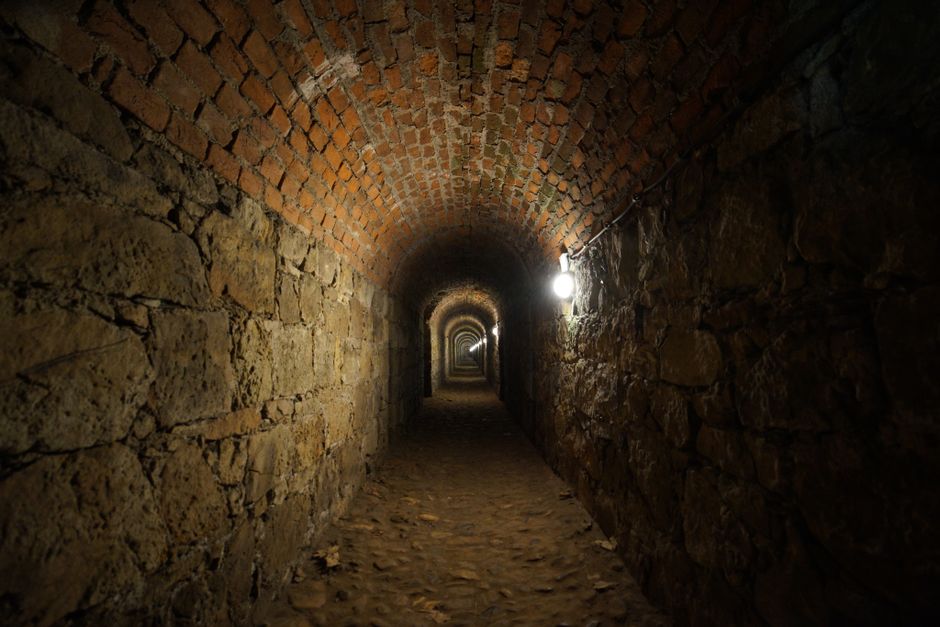
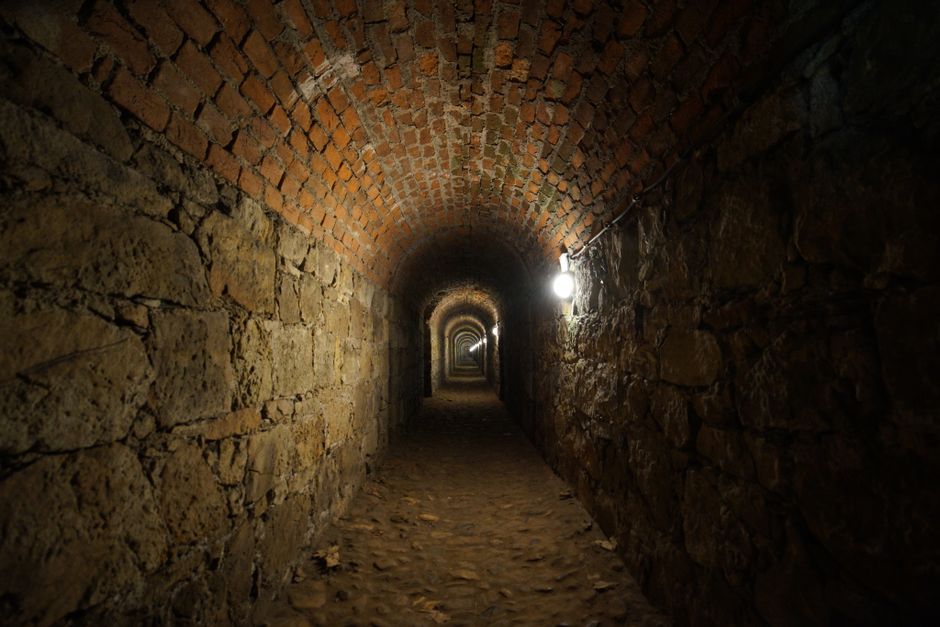
On August 5, 1945 — ten days before Japan’s surrender — a train traveling from Shinjuku toward Nagano on the Chuo Main Line was attacked by American P-51 fighters near a tunnel in what is now Uratakao-machi, Hachioji. The train was packed with passengers, most of them civilians returning home or evacuating rather than soldiers. The strafing run killed 52 people and injured 133 — one of the deadliest attacks on a civilian train in Japan during the war.
A memorial to the victims was erected at the site in 1992, engraved with the names of 44 people who could be identified. As recently as January 2025, four more names were added after researchers confirmed their identities — the first addition to the monument in 33 years. Hachioji holds a memorial service at the site every August 5, a date some locals refer to as Inohana Tunnel Memorial Day.
Why We’re Correcting Rather Than Elaborating
The previous version of this page treated an unverifiable derailment story — complete with a headless “Eerie Lady” and a phantom locomotive — as the area’s defining legend. Given that a real, well-documented mass-casualty event happened at a tunnel in this exact area, presenting a fabricated substitute wasn’t just inaccurate, it risked distorting the record of an actual wartime tragedy that survivors’ families still visit and maintain. We’d rather report what’s confirmed and be honest that we couldn’t find independent evidence of supernatural activity here than keep circulating invented casualty figures.
Can You Visit?
The Yunohana Tunnel area, including the memorial, is accessible, and it functions first as a memorial site rather than a tourist attraction. Visitors should treat it with the same respect due any location connected to real deaths — this is a place people go to honor the dead, not primarily to look for ghosts.
Frequently Asked Questions
Did hundreds of soldiers die in a train derailment near Hachioji?
We found no record supporting that claim. What did happen, and is well documented, is the August 1945 strafing of a civilian train at Yunohana Tunnel, which killed 52 people and injured 133.
Is the site haunted?
We couldn’t find independently documented ghost sightings specific to this location. It’s most accurately understood as a memorial site connected to a real wartime tragedy.
Ghost-Hunting Gear & Further Reading
As an Amazon Associate, this site earns from qualifying purchases.
Comments