This article contains affiliate links. If you buy through them, we may earn a commission at no extra cost to you.
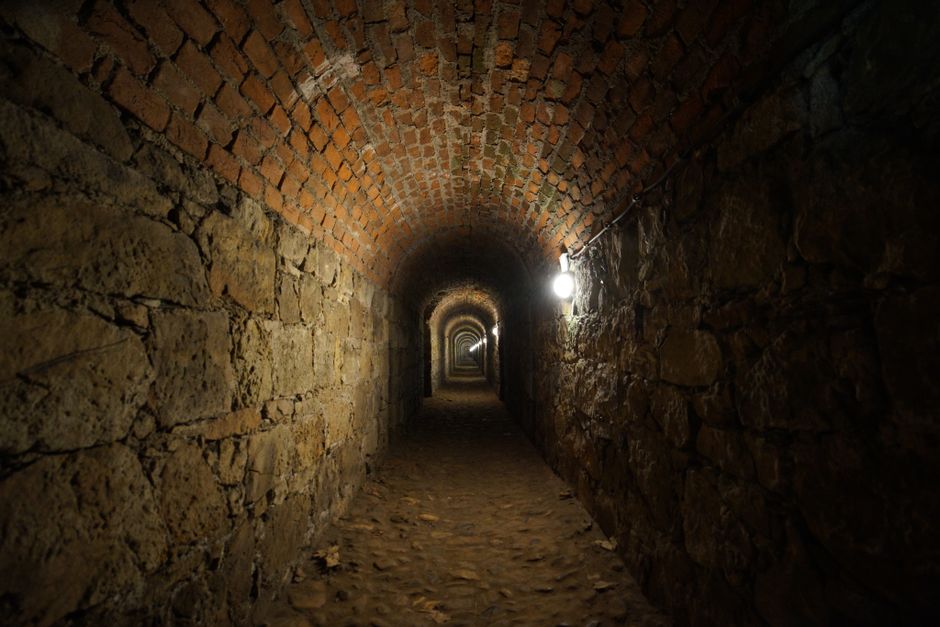
A two-kilometer railway tunnel in central Saitama Prefecture, built in 1927, closed within just five years — sealed off, according to local accounts, after a series of accidents no one could fully explain. That’s the version of Kamitomi Tunnel this site previously carried. Digging further into how the tunnel is actually described by Japanese-language ghost-spot sites turned up a different, more specific legend than the railway story below — one worth setting alongside it.
The Ghost-Train Version
The tunnel reportedly served as part of a bypass railway, and according to this telling, mysterious accidents within its walls led to its closure and sealing in 1932. The central legend that followed is a ghostly train: an engine and carriages running through the tunnel with no visible driver or passengers, said by some to be the very same train involved in the fatal accident that led to the closure in the first place. Local tellers in this version claim the ghost train is most reliably seen around the summer solstice.
We could not verify the specific 1930s accidents or the ghost train against any documented record. The tunnel’s construction date and short operational life is more plausible as straightforward railway history — short-lived rail lines abandoned within a few years of construction were common in early-20th-century Japan for purely financial and logistical reasons, independent of any accident.
What Japanese Sources Actually Describe
Kamitomi Tunnel is a real, named location in Miyoshi, Saitama Prefecture, sitting near the Kan-Etsu Expressway — and it does appear across Japanese haunted-spot directories, but not with a ghost train. The legend that actually circulates locally centers on something closer and more physical: drivers reporting a sudden, unexplained presence in the back seat while passing through at night, graffiti on the tunnel’s concrete walls that some claim resolves into a bloodied face if stared at too long, and groaning sounds reported after midnight.
We’re flagging this discrepancy directly rather than quietly patching it in: the ghost-train account and the back-seat-presence account don’t obviously describe the same haunting, and we can’t confirm which one — if either — has genuine local currency versus which was assembled from tunnel-legend tropes common across this site’s other entries (ghost trains and summer-solstice sightings both appear elsewhere in Japanese tunnel folklore). Readers should treat both as unverified stories rather than settled fact.
Can You Visit?
Kamitomi Tunnel is reportedly accessible near the Kan-Etsu Expressway corridor in Miyoshi. Visitors should treat any long-standing, unmaintained tunnel structure with real caution regardless of which version of the ghost story they’ve heard — structural and traffic risk is the more immediate concern in practice.
Why was Kamitomi Tunnel sealed after only five years?
That’s the claim in one version of the legend, but we could not verify a 1930s closure or specific accidents against a documented record, and a separate, more commonly cited local legend doesn’t mention a railway history at all.
Is the back-seat-presence story more credible than the ghost train?
Neither is independently verified. The back-seat account matches how the tunnel is described on several Japanese-language haunted-spot sites, which gives it somewhat more grounding in actual local reputation, but “more commonly repeated” isn’t the same as “confirmed.”
Ghost-Hunting Gear & Further Reading
- Books on Japanese abandoned railways and ghost train legends
- Saitama Prefecture travel and history guides
As an Amazon Associate, this site earns from qualifying purchases.
Comments