This article contains affiliate links. If you buy through them, we may earn a commission at no extra cost to you.
Tucked away from the well-trodden haunted-tunnel circuit that includes famous names like Kiyotaki and Inunaki, Wariishi Tunnel (割石トンネル, “split rock tunnel”) is a smaller, far less documented entry on Japan's long list of supposedly cursed roadways. Its name refers to a rock formation split apart — a common naming convention for mountain passes throughout Japan — and its ghost story circulates mostly by word of mouth among local paranormal enthusiasts rather than in mainstream media.
The Real History
Tunnels named “Wariishi” or “Wari-ishi” appear in several prefectures across Japan, since the descriptive name — referring to a boulder or rock face that was cut or split to create a mountain passage — was applied independently by different regional engineering offices over the decades. This makes pinning down a single, universally agreed-upon “Wariishi Tunnel” difficult without a specific prefecture attached to it, and it is one of the reasons detailed English-language and even Japanese-language sourcing on this particular site is thin compared to nationally famous haunted tunnels.
What can be said with confidence about tunnels of this type and era is the broader pattern: most rural Japanese mountain tunnels bearing old, descriptive (rather than administrative) names date from the late Meiji, Taisho, or early Showa periods (roughly the 1900s–1930s), when Japan was rapidly extending prefectural roads and narrow-gauge rail lines through mountainous terrain to connect isolated villages to trade routes. Construction during this era relied heavily on manual labor, including conscripted and contracted laborers working in dangerous conditions with primitive blasting and drilling equipment, and fatal accidents during tunnel construction were not uncommon nationwide — a documented historical fact that underlies the origin stories of many of Japan's “haunted tunnel” legends, even where records for a specific individual site have not survived or were never systematically kept.
For Wariishi Tunnel specifically, no verifiable, citable historical record — construction date, engineering firm, recorded accidents, or original purpose — could be confirmed through available public sources at the time of writing. Readers should treat any specific claims about its construction history circulating on Japanese paranormal forums with caution, as they largely appear to be undocumented local lore rather than sourced local history.
The Haunting
According to the handful of Japanese-language ghost-story sites and forums that mention it, locals in the surrounding area say Wariishi Tunnel is the site of unexplained sounds — scraping, footsteps, or voices — heard by drivers and pedestrians passing through at night. Some tellings claim a figure can occasionally be seen standing at the tunnel's mouth or reflected briefly in a car's rearview mirror before vanishing.
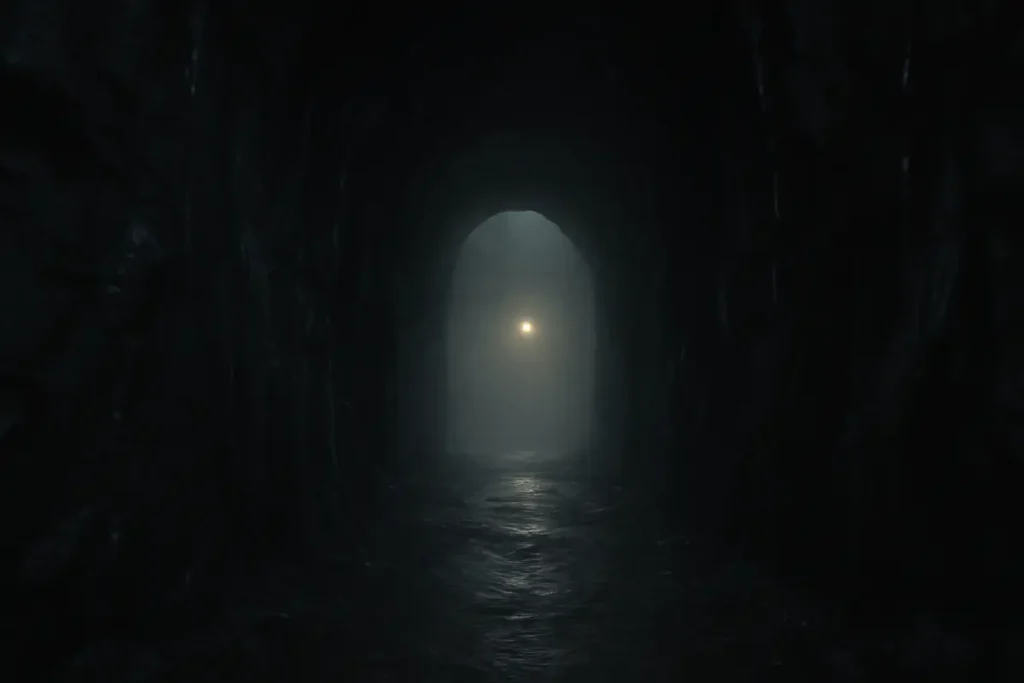
As with many small-scale local legends, the story is said to have grown out of the tunnel's isolation and poor lighting rather than any single well-known incident — visitors report the passage as unusually dark, narrow, and quiet compared to nearby roads, conditions that tend to generate ghost stories in rural Japan regardless of documented history. Because so little verified information exists, it's worth treating this location's haunting as a folk legend built more on atmosphere than on a specific, confirmed tragedy.
Can You Visit?
Because the exact prefecture and current road status of this specific “Wariishi Tunnel” could not be confirmed from available sources, visitors should not assume it's an active, publicly accessible route — some tunnels with this name are still in everyday vehicle use, while similarly named ones elsewhere in Japan have been superseded by newer tunnels and left as abandoned, restricted-access relics. Anyone trying to visit should confirm the specific location and current legal access status locally before attempting to go.
Frequently Asked Questions
Is Wariishi Tunnel a real, currently used road?
It's unclear from available records which specific “Wariishi Tunnel” is being referenced, since the name is used for multiple mountain-pass tunnels across Japan. Some are active roads; the access status of the one associated with this particular legend has not been independently confirmed.
What does the name “Wariishi” mean?
It translates roughly to “split rock” or “cut stone,” a common descriptive name given to Japanese tunnels and passes built by cutting through or blasting apart a rock formation.
Is there a documented death associated with this tunnel?
No specific, sourced incident could be confirmed through available public records. The haunting is best treated as local folklore rather than an account tied to a verified historical event.
As an Amazon Associate, this site earns from qualifying purchases.